

I want to learn
and I want to go to
What would you like to do next summer? Would you like to improve your English in London, learn Japanese in Tokyo, discover French culture in Paris, or explore Spain?
At Nacel, our summer camps for teens abroad combine language learning, cultural experiences, activities, and opportunities to meet young people from other countries. Choose from international language camps, residential programs, sports immersion camps, and summer courses with cultural activities. Some programs have a full schedule of lessons and supervised activities. Others give older teens more independence to explore their destination and spend time with new friends.
Your summer abroad should match your interests, personality, and goals. Our educational advisors will help you compare countries, programs, accommodations, and supervision before you make your choice.
French Summer Camps



Spanish Summer Camps

English Summer Camps



German Summer Camps

Italian Summer Camps

Japanese Summer Camps

Korean Summer Camps

A Legacy of Confidence and Success in Cultural Exchange
With decades of experience, certified quality, global partnerships, dedicated support, and a commitment to safety, Nacel ensures every student embarks on a transformative journey with confidence and trust.
- What is it like to attend an international summer camp abroad?
- Learning a language at summer camp: What should you expect?
- A typical day in a teenage language summer course includes:
- Which type of summer camp abroad is right for you?
- Accommodation and supervision at international summer camps
- Preparing for your first summer camp abroad
- What if a group summer camp isn't the right choice?
- Why choose Nacel for your summer camp abroad?
- Frequently Asked Questions
What is it like to attend an international summer camp abroad?
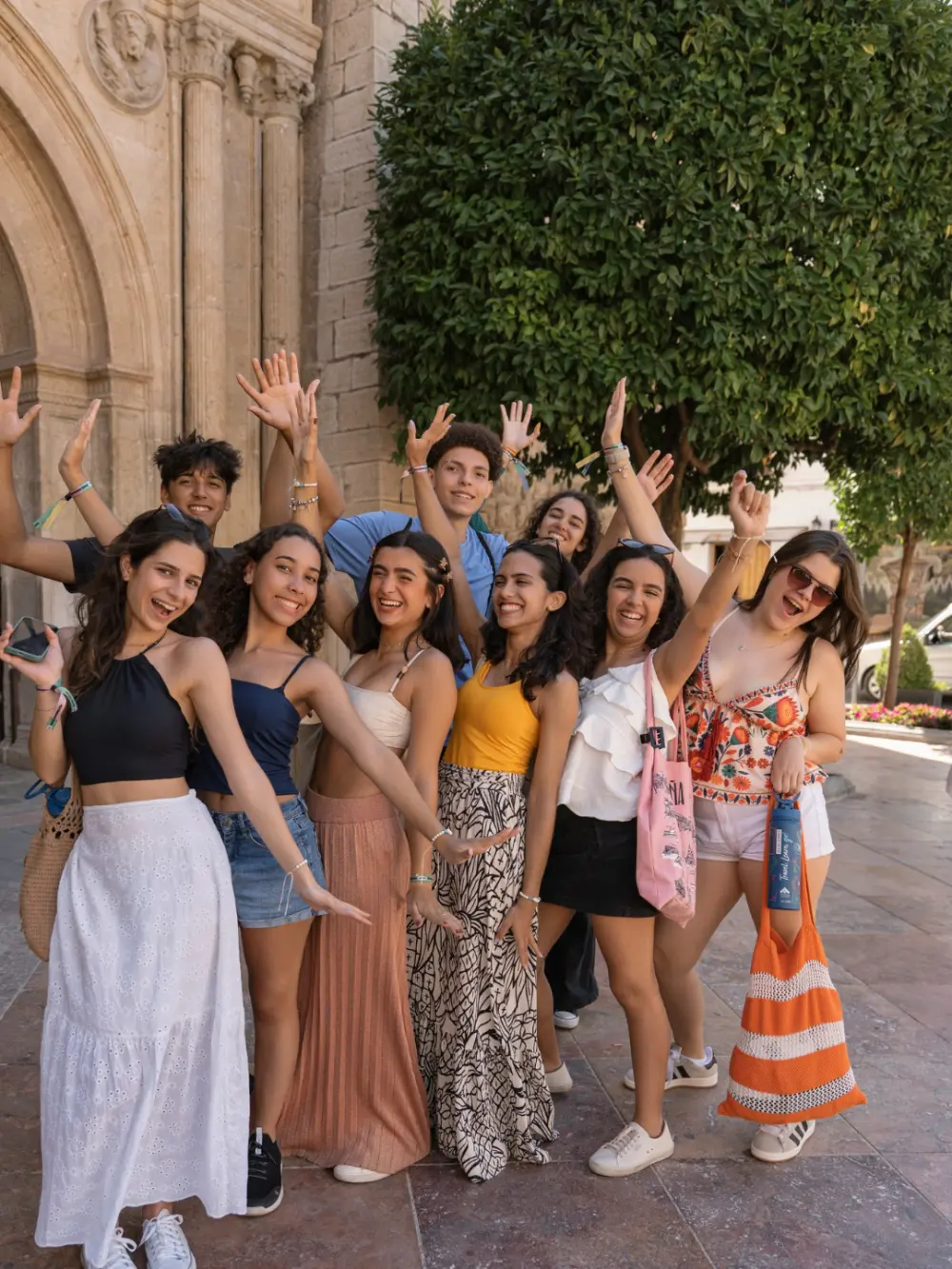
Attending a summer camp abroad means discovering a new country while sharing everyday experiences with teenagers from different backgrounds. From your first breakfast together to classes, excursions and evening activities, you'll have opportunities to meet people, practice another language and discover local customs.
The first days involve getting to know your roommates, understanding the camp routine and introducing yourself to other students. You don't need to arrive with a friend. Lessons, meals and organized activities give you opportunities to connect with other campers. Our advice is to participate, speak to teenagers outside your own native language group and try activities you haven't experienced before. If you're traveling with a friend, enjoy the experience together while also getting to know other students.
At language camps, mornings often include lessons, followed by cultural visits, sports, creative workshops or beach activities in the afternoon. Structured residential programs also organize evening activities such as games, competitions and social events. Sports immersion camps focus on training, while some programs for older teenagers include independent free time.
Adjusting to a new country and group takes time. If you feel homesick, don't understand the schedule or need help with another student, speak to your camp leader or local contact. You don't need to solve every problem on your own. Camp staff can help you understand the routine and address concerns according to the program's support arrangements.
Learning a language at summer camp: What should you expect?
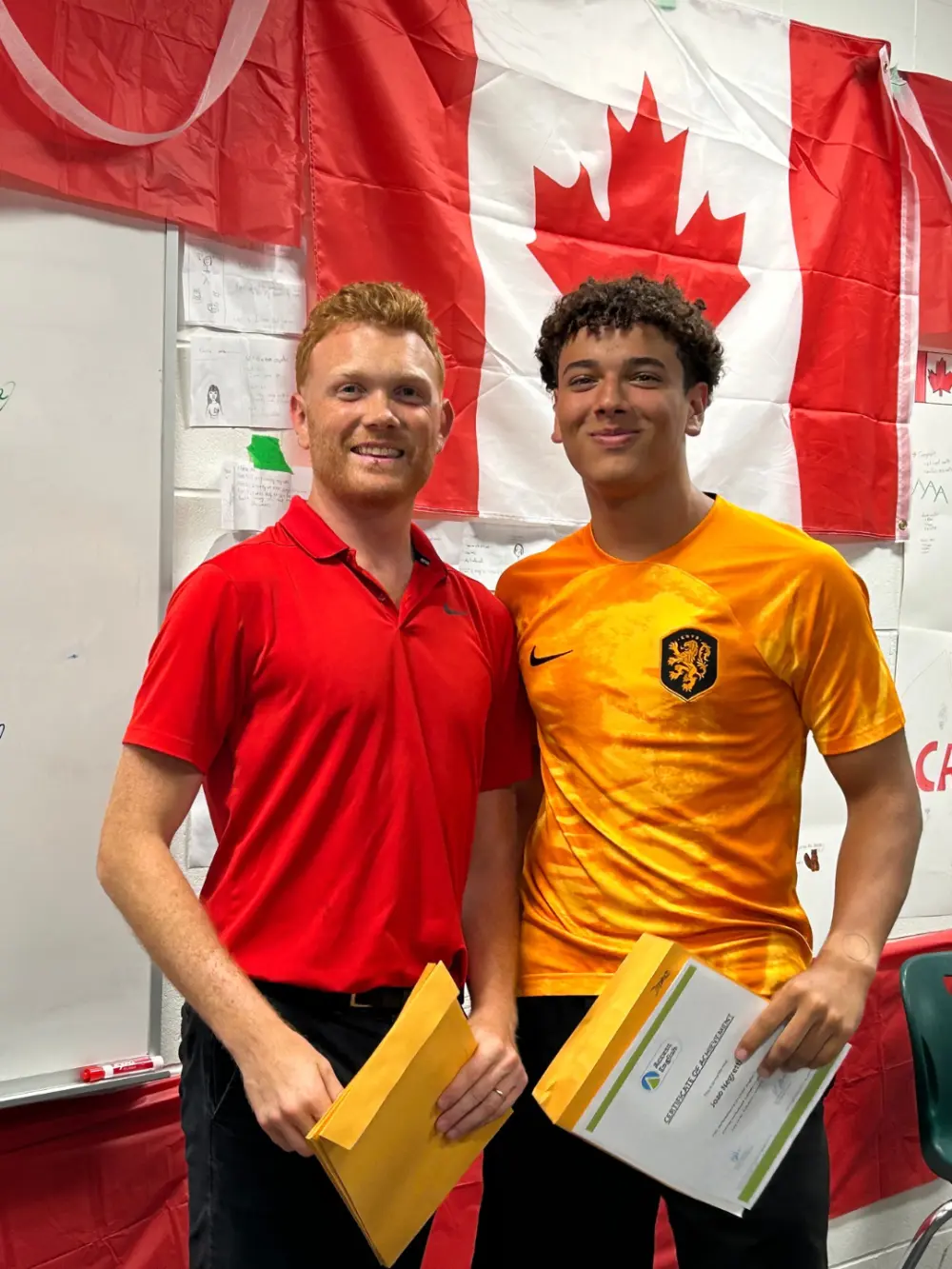
Language learning is just one part of the international summer camp experience. Others include making friends, discovering different cultures, and growing in independence. At language camps, students attend level-appropriate lessons and practice what they learn during excursions, activities, and everyday situations.
Will you speak the local language all day? Not necessarily. International camps bring together students from different countries. During lessons, students use the language they're studying. Outside of class, however, they also communicate in English or their native languages. While camp staff encourage students to practice the target language, conversations between friends aren't controlled.
If your priority is speaking the local language as much as possible, it's worth comparing the different learning environments. Programs with local teenagers, homestay experiences, and individual language lessons offer different opportunities to communicate. Our advisors help families choose programs based on students' current levels, confidence, and learning goals.
A typical day in a teenage language summer course includes:
A summer camp overseas is usually structured as below:
- Breakfast
- 3 hours or more devoted to language classes,
- then group lunches
- and 2 1/2 hours or more for afternoon field trips, excursions, and guided visits.
- Dinner
- Evening activities

Which type of summer camp abroad is right for you?
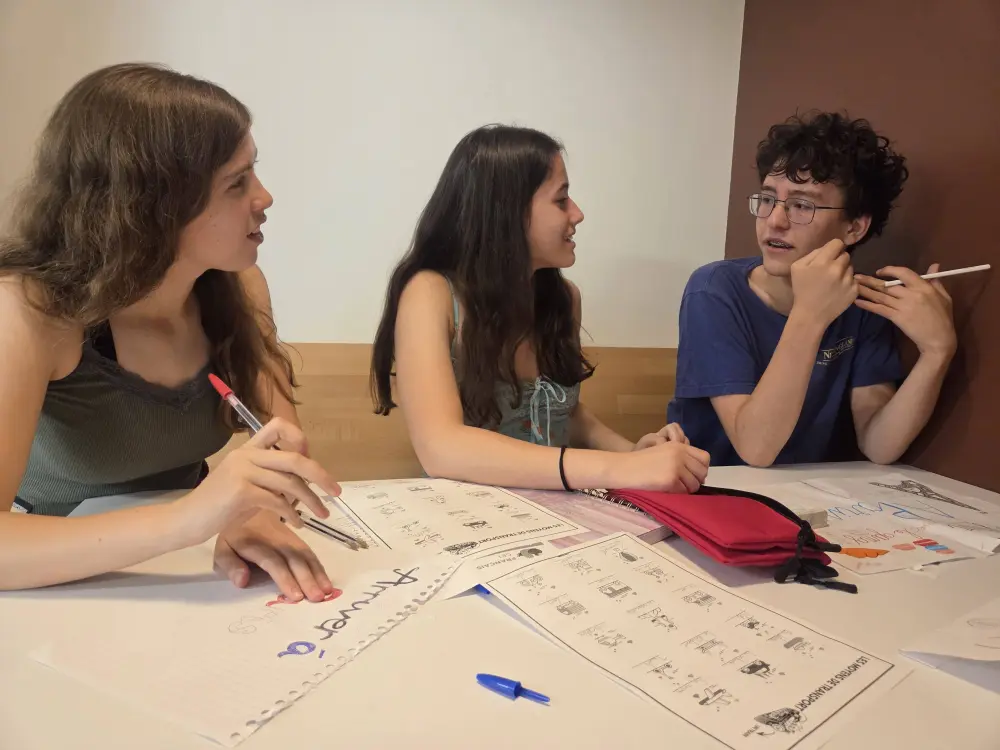
International language camps combine lessons with cultural visits, sports and group activities. Students learn alongside teenagers from different countries and participate in classes suited to their language level. These programs suit students who want structured language learning, international friendships and a full schedule of activities.
Sports immersion camps are designed around training and participation with local teenagers. Our sports camps in France, for example, offer approximately 30 hours of intensive weekly training with mostly French participants. Coaching and everyday communication take place in French, so students need previous language knowledge and a willingness to adapt to a French-speaking environment.
Cultural and activity-focused camps combine language study with interests such as music, art, food, technology and local traditions. Our summer camps in Japan introduce students to Japanese language and culture through lessons and organized activities. In Seoul, teenagers can combine Korean lessons with K-pop activities and cultural experiences.
The right choice depends on whether you want to focus on language learning, develop a particular interest or experience everyday life in another culture.
Accommodation and supervision at international summer camps
Where you stay is an important part of your experience. Nacel offers programs with residential accommodation and programs where students stay with local host families. Accommodation standards, room arrangements and supervision differ between camps, so we recommend checking these details before booking.
At residential camps, students live together and follow the program's schedule of lessons, meals and activities. Bedrooms and bathrooms are shared according to the accommodation arrangements. Some residences offer en-suite bathrooms, while others have communal facilities. Comfort standards also vary, from traditional boarding school accommodation to more modern student residences.
At host family programs, students attend lessons and activities at their school or camp, then return to their host family according to the program schedule. Living with a local family offers opportunities to experience everyday routines, meals and conversations in another household.
Supervision also depends on the program and the student's age. For younger teenagers traveling abroad alone for the first time, we recommend a structured residential camp with a full activity schedule. Our English Summer Camp in London is one example, with English lessons, organized afternoon activities and supervised evening events on a boarding school campus.
Other programs expect greater independence. The Summer camp in Valencia for 16-19 year olds, for example, welcomes teenagers aged 16 and older who are comfortable managing their free time outside organized activities.
Our advisors explain the rules about leaving campus, curfews, staff supervision and emergency contacts before booking, so parents understand the arrangements for their chosen program.
Also read our blog on the this topic:
Preparing for your first summer camp abroad
The key to a successful summer is knowing what to expect. Before you leave, take time to review your accommodations, activity schedule, camp rules, and arrival arrangements. Know who to contact if you need assistance or have a problem.
Discuss the first days at camp and the importance of participating in activities. Meeting people takes effort, especially when everyone is new. Introduce yourself, join conversations, and spend time with students outside your language group.
Parents and teenagers should also agree on a communication routine. Mobile phone rules differ by program, and students need time to participate in activities without constantly checking their phones. Agreeing on when to call or message each other helps everyone know what to expect.
If something is wrong, speak to the camp staff. Whether the issue is homesickness, difficulty understanding instructions, or a problem with another student, asking for help early gives the local team the opportunity to address it.
What if a group summer camp isn't the right choice?
Not every teenager enjoys large groups, shared accommodation or busy activity schedules. Students preparing for exams, needing individual teaching or preferring a quieter environment have different learning needs.
Our Homestay with a Private Language Teacher Abroad offers one-to-one language lessons while staying in the teacher's home. Students study at their own pace and practice the language through everyday conversations and activities.
This is a different experience from an international group camp. Our advisors help families compare the options and discuss individual requirements before booking.
Why choose Nacel for your summer camp abroad?
Nacel has organized educational travel since 1957. Our multilingual team has personal experience studying and working abroad, and we understand the questions families face when choosing an international program.
We consider each student's age, language level, interests, personality, independence, accommodation preferences and budget. Our goal is to help families choose a camp where the teenager understands what to expect and feels comfortable participating.
Whether you're excited about learning a language, discovering another culture, practicing your favorite activity or meeting international friends, start by exploring our programs.
Browse our summer camps by language and destination above and find the experience that suits you.

Frequently Asked Questions
website_faq_common_subtitle
Our summer camps abroad provide an enjoyable and enriching atmosphere where children can develop valuable abilities, establish meaningful relationships, and boost their linguistic proficiency, confidence, self-sufficiency, and social skills.
Nacel has an extensive array of language and/or sport summer camp options, allowing you to choose the one that best matches your child's interests and preferences. We encourage you to conduct thorough research to ensure an optimal selection.
The minimum time you can send your child to a European summer camp is one week. Some of our teen camps abroad require a minimum of two weeks. We generally recommend two-week sessions as it gives time for your child to adjust to the new environment and enjoy the experience; however, you know your child best and what works for them and your family.
We generally recommend two-week sessions as it gives time for your child to adjust to the new environment and enjoy the experience; however, you know your child best and what works for them and your family.
The cost of a camp abroad varies depending on the location, length of stay, number of language lessons, and activities included.
Each of our summer camps provides prices. Please refer to the camp description tab, especially the "Price includes" and "Price does not include" sections.
Here is a breakdown of the costs associated with a Nacel summer camp abroad:
- Room.
- Board. (Full or half board.)
- Activities.
- Adult supervision.
- 24/7 Emergency line.
- Language lessons *
- Application fees. *
- Transfers. *
- Health insurance. *
* Included, depending on the program
Here are some additional costs to consider when planning for a Nacel summer camp:
- Airfare.
- Visas.
- Personal spending money.
- Travel insurance.
- Extra language lessons (if the camp offers them)
- Extra activities or excursions.
We are proud to offer a safe and inclusive space for campers from all over the world. Some of the most popular nationalities participating in our programs are from the United States, United Kingdom, Italy, Ireland, Spain, and Mexico. The diversity of our campers makes it an ideal environment and an exciting opportunity to learn about different customs and traditions while making new friends.
It's important to note that different summer camps have varying policies regarding mobile phones. Some allow them to be kept with the children throughout the duration of the camp, while others only permit usage during designated times.
Be sure to inquire about the phone policy of the camp you are interested in. In case of an emergency, we will provide you with at least one emergency phone number to reach your child, and they will also have a way to contact you. Rest assured that we will promptly notify you if any emergency arises.
Going away from home, to a new country, with a different culture and language can be overwhelming for a child and could lead to homesickness.
We want to share with you some tips on how to prepare your kid to go to a summer camp abroad:
- Let your child participate in the camp selection process. Ask questions and listen to what they say so they feel involved in choosing the right camp for them. This collaborative approach will not only instill a sense of ownership but also prepare them for the exciting adventure ahead.
- Be supportive and understanding by reviewing the camp’s description with your child. If these conversations foster questions, please don’t hesitate to contact us for answers. If they get nervous, you should remind them that you support them.
-
Before
your child leaves, give them a big hug and say goodbye. Make it clear
that although you will miss them, you are excited about the wonderful
experience they are about to start. Let them know that you are very proud
of this step and you will also be busy during that time.
Booking deposits are not refundable for voluntary cancelations.
Cancellation fees differ depending on the program, with a minimum of 300 USD.
Refunds depend on the camp you choose. Please request the program handbook for the latest refund policy.
No refund will be given to a participant who shortens their stay at a summer camp abroad.
Before departure, you will be provided with the contact details for the 24/7 emergency number, which offers English-speaking assistance.
Please remember to disclose any allergies during registration. If you indicate on the booking form that your child has allergies, we will provide you with an allergy form. Please complete the allergy form as soon as possible so that we can assess the camp's ability to accommodate your child's condition.
You must enclose a current prescription and bring the medication in its original packaging with the leaflet marked with the child's name.
The camp staff is not permitted to administer any form of medication to campers, including over-the-counter or prescription medication.
Ensure that your child is adequately insured for their stay in France. We recommend purchasing travel and cancellation insurance. We will request a copy of this insurance after camp registration.
To book a spot, you need to fill out our booking form and pay a 300 USD deposit. Once the deposit is received, you will complete an application form and submit additional documents like a passport copy.
Please wait for final confirmation from us about your spot in the camp before booking flights. After receiving the invoice and letter of acceptance, you can book your flights.
Before arrival, students receive a welcome pack with a packing list and essential information to help them prepare for their stay.
Nacel has 70 years of experience matching young students with Host families around the world. We help over 500 students per year find their exchange program and experience other cultures.
We have offices in France, Luxembourg, Canada, Spain, England, and Costa Rica.
You can contact Nacel if you need support during your stay. Students also receive an emergency contact number and WhatsApp contact when the program starts.
Local staff are also available to help with questions or problems that may arise during the program.
Yes, dietary requirements can usually be accommodated. Please inform your Nacel Educational Advisor before booking so that we can confirm the arrangements in advance.
Yes. As part of the application process, students must provide a copy of their vaccination record before joining the programme. Families should make sure that all required health information is updated and submitted to Nacel during the registration process.
Yes. Friends can apply together and request to attend the programme during the same session. Families booking for siblings or friends may also be eligible for a family/friend discount; please contact Nacel for more information.
Keep in mind: while attending the summer camp together can make the experience more comfortable, students are encouraged to take advantage of the programme as an opportunity to practise French, discover French culture and meet students from different countries. To get the most from the experience, we recommend that friends actively participate in French activities and communicate in French whenever possible.
No results found