

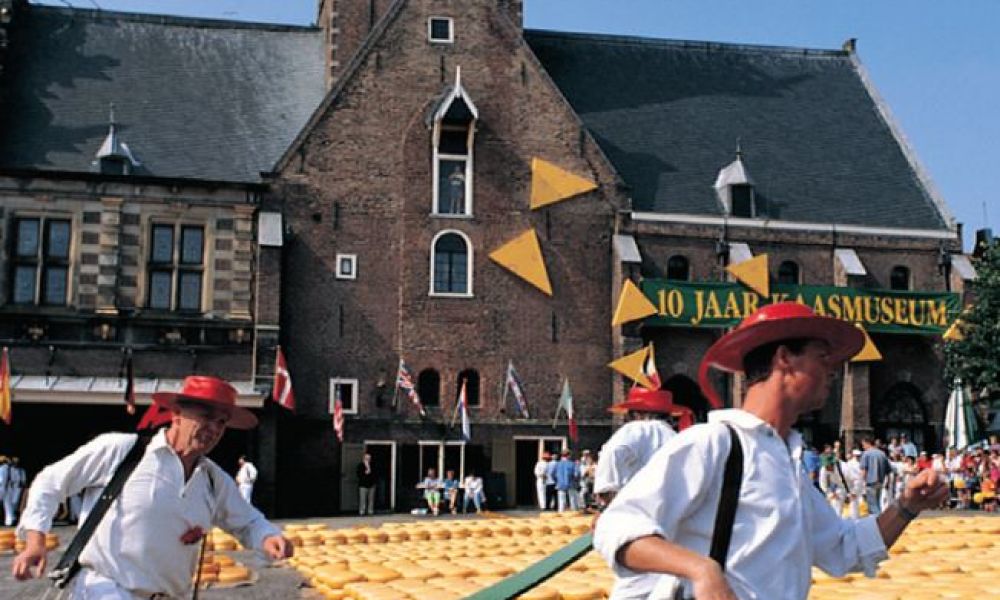

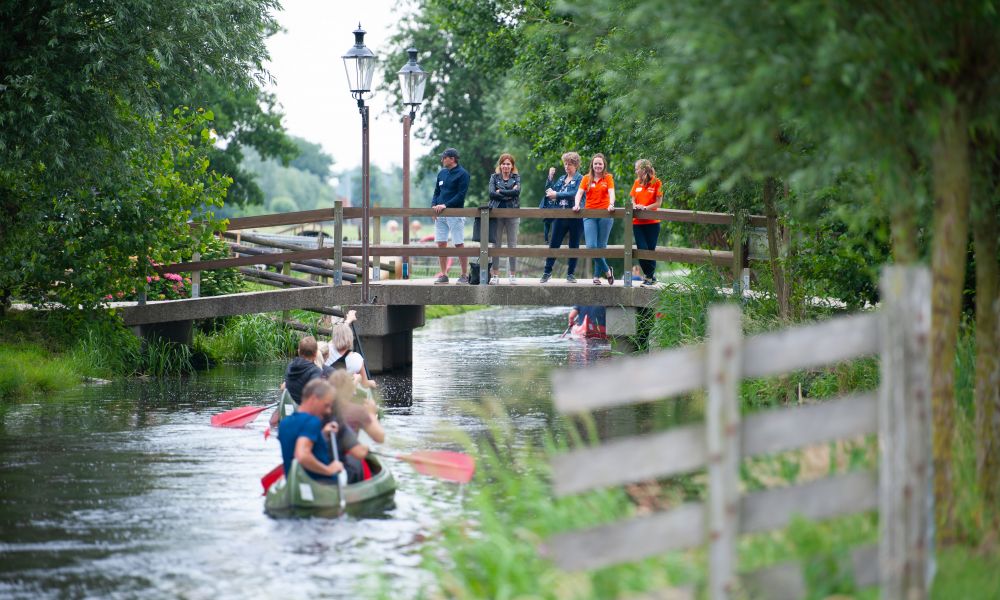
Study abroad and become an Exchange student in the Netherlands. Redefine your world in Europe!
Attend a local high school for a semester or the school year and live with a Dutch host family. Discover more about the Dutch way of life!
Interested in this program?
We're happy to help you plan your stay.
Live with a welcoming Dutch host family and go to a local Dutch High School thanks to our Homestay and High School integration program in the Netherlands!
Highlights of the program:
- The aim of this program is to discover the Dutch school system, and to experience social integration with Dutch teenagers.
- Students are placed with warm and welcoming volunteer Dutch families, who are looking for an intercultural experience.
- Students have a 24/7 Hotline.
The Dutch school system is quite innovative in terms of pedagogy, where students learn from a young age to work individually and to take responsibility for their own studies.
Students are placed in all 12 provinces of the Netherlands. Regional and rural placements are common.
Dutch host family on a full-board basis.
A percentage of 30% of the host families live in a rural area. They are volunteer host families.
The new family member is expected to take part in the daily activities of his or her host family. Integration into the family is the ultimate goal of the homestay experience. However, host families are not required to organize activities, visits, or excursions. The participant comes with his/her own spending money to cover the cost of activities.
Homestay and High School in the Netherlands 2027/2028
Prices are valid for August 2027, October 2027, and January 2028 intakes.
* Price in Euros per participant.
Not included: Application Fees (65 EUR)
Program Dates:
Trimester 1 (90 days):
- arrival on August 12th, 19th and 26th 2027
- departure November 9th, 16th, or 23rd 2027
Trimester 2 (90 days):
- arrival October 30th 2027
- departure January 20th 2028
Trimester 3 (90 days):
- arrival on January 6th 2028
- departure on April 4th 2028
💰 What's Included in the Price?
- Administration fees
- Host school placement and school fees
- Host family accommodation with full board
- Airport pick-up and transfer on arrival and departure
- Orientation on arrival, including a Dutch course, an online Dutch course, a bike is also rented to each student
- Medical insurance provided on location
- Support, assistance and 24/7 Hotline during the whole program
- Dutch E-learning language program
🚫 What's Not Included?
- Round-trip international airfare
- Non compulsory insurances (luggage lost, flight delay etc.)
- Visa, passport and medical exam fees
- Extra activities organized by the school and others Field trips, extra school fees if any, school supplies, school lunches, registration costs and school locker, activity fees, excursions, memberships etc
- Local transportation including all domestic journeys and transportation to school
- Extra language courses
- Personal expenses and spending money
- Liability and Emergency Repatriation Insurance
- Application fees (65 euros)
A minimum of two years of English language study and one year of Dutch studies required.
Age: 14 to 18,5 years old.
Participants must show that they are mature enough to participate in the program that requires:
- Interest in learning about the culture
- Deep desire to integrate into a different family and actively share their everyday life
- Enthusiasm for improving language communication skills
- Willingness to make new friends
- An open and flexible attitude
Frequently Asked Questions
website_faq_common_subtitle
When you choose one-to-one language lessons at the teacher's home, we carefully select a teacher and their family based on your requirements and provide you with a complete profile. If you feel that the teacher offered or the town are not the right fit for you, we explore alternative options and try our best to accommodate your needs.
When you book a homestay immersion program, while you do not have the option to choose the host family, we strive to match you with the best possible one who is interested in welcoming you into their home for a cultural exchange.
Host families are not required to organize specific outings, but many enjoy including students in local events, celebrations, or family trips.
It’s thoughtful to bring a small gift that represents your home country, such as traditional snacks, crafts, or a souvenir.
Nacel coordinators or our local partners carefully screen and select host families to ensure a safe, welcoming, and enriching experience for all students.
Yes, students should bring pocket money for personal expenses like movie tickets, dining out, or souvenirs.
Students are expected to be open-minded, flexible, and willing to adapt to the new culture, food, and routines. Maturity and tolerance are key.
They are also expected to help with household chores, respect family rules, and actively engage in family activities to foster meaningful relationships.
Being adaptable is crucial. Host family rules may vary from what you are used to, but it is essential to respect them for a successful cultural exchange.
Yes, but excessive use is discouraged. Students should prioritize family interaction and cultural experiences over screen time.
In both programs, students are assigned to a host family and attend a local high school. The main difference is the duration of the program and whether the student returns with class certifications. The Nacel Homestay programs are usually shorter (up to 12 weeks) and do not provide class certifications. It is a pure cultural immersion program.
Nacel takes student safety very seriously. Every family presents criminal and police records, IDs, and recommendation letters. Most of our families are recommended by local schools or other host families. In addition, we visit each household to make sure that the conditions and area are adequate to receive international students.
Yes! You can read the reviews that parents and students have written about Nacel on Google, GoOverseas, and GoAbroad.
We can also introduce you to former students who can tell you about their experience and answer additional questions you might have.
For Nacel, the match with the host family is key. We use a matching system where we pair students and host families based on goals, interests, and hobbies. We understand that cultural differences can affect the relationship, so first we try to mediate and reach a consensus. However, when needed, students are placed with another host family.
No results found
Not ready to commit yet? Let us help you!