


Looking for an affordable study abroad in a Spanish-speaking country? Take a look at our High school exchange in Mexico!
Being bilingual opens many doors! Work that Spanish abroad and live a unique experience that will help you in your personal and academic development. Live with a Mexican family and attend school as if you were a local Mexican student. Nacel accompanies you during this adventure studying abroad!
Next possible start dates: January 2027! Apply now!
Be an exchange student in Mexico
Your student exchange in Mexico with Nacel:
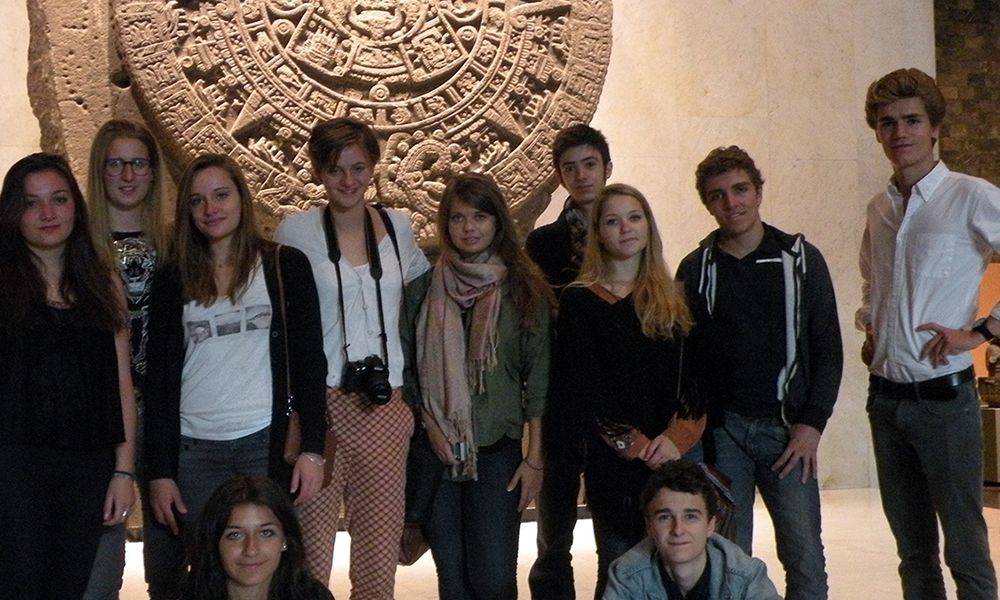
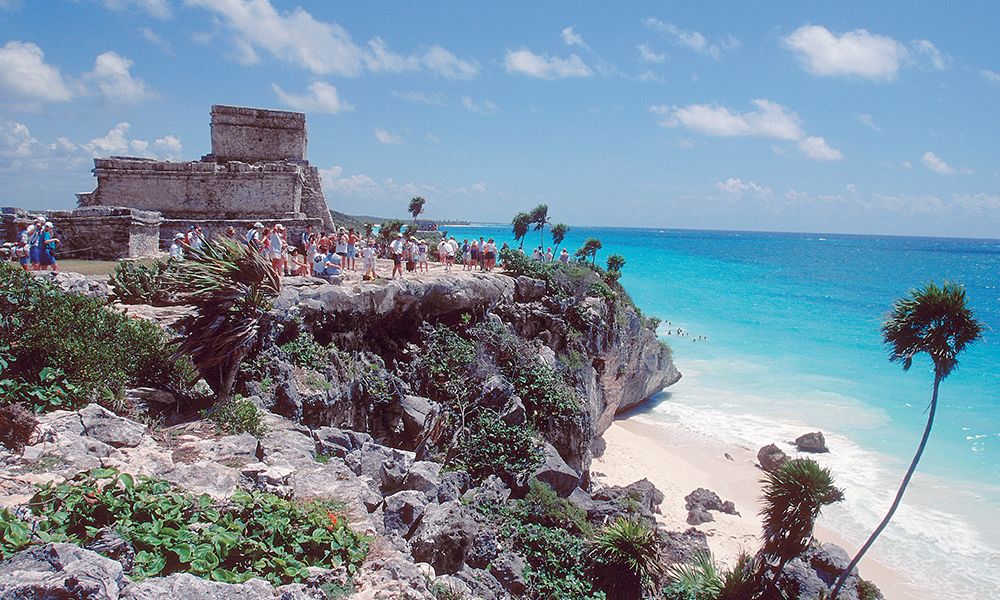
Exchange students who are interested in studying the Spanish language should not overlook the wonderful opportunities to discover the Mexican culture. Exchange students will discover 3000 years of history that have built this nation. They will feel the influence that the indigenous population and the Spanish have exerted in the development of its culture. The High School exchange in Mexico will offer them the opportunity to live with a Mexican host family eager to share its way of life and to become a member of the local community and school.
What should I expect from my school year in Mexico?
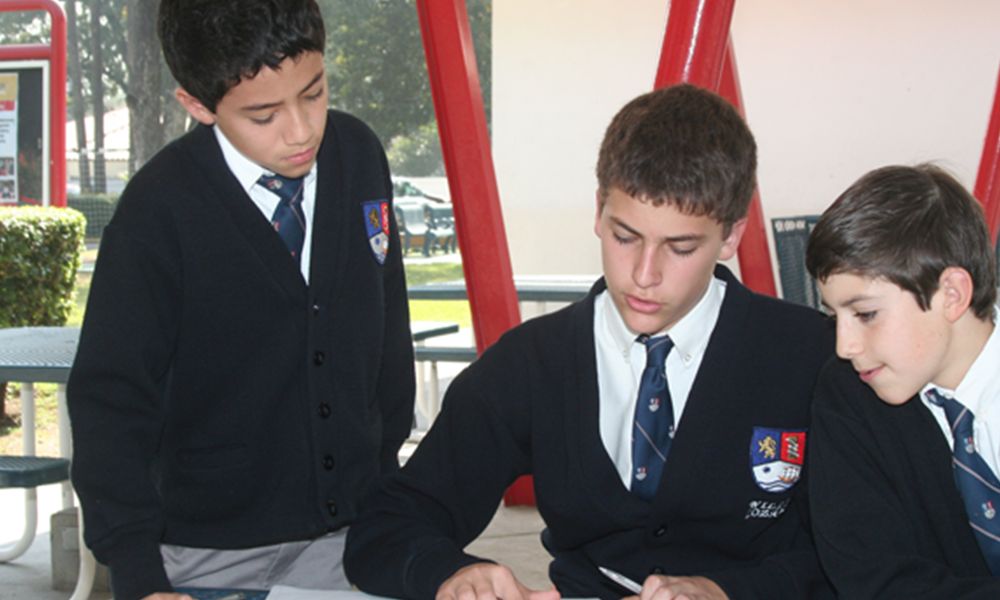
Public schools in Mexico serve 87% of all students in the country. The Mexican School system is divided as follows: the prescolar, the primary, the secundary and the preparatory school. Most of the exchange students will attend classes in a Preparatoria school Grade 10 to 12). In the preparatoria schools, students must choose one of 4 professional areas:
- physical-mathematics,
- chemical-biological,
- economic-administrative,
- or humanities.
Courses are held in Spanish and include
- Math,
- Biology,
- History,
- Spanish language and literature,
- Physical Education,
- Art,
- Music,
- French,
- and Italian.
All schools offer English courses, some of them French courses also.
Schools may have extacurricular activities or clubs; some sports activities or theatre and music may sometimes be offered. You may wear a uniform (sometimes a t-shirt with school name or entire uniform).
Study Abroad in Mexico
Exchange students are not placed in a particular district of Mexico City but are usually not placed outside of Mexico City. The host family welcomes the student as a new member of their own family. We recruit families through schools (because one of the family members attends the school). They are all middle-class families who receive a small stipend, but they do not host for money; the family expects the exchange student to participate in their daily life and speak Spanish, making new friends . In Mexico, students are in school for 5 to 6 hours a day.
Graduation is not possible during your exchange program in Mexico.
We also offer exchange programs in the below-listed countries:
High School Study abroad in Mexico and live with a host family, providing half board on weekdays, full board on weekends.
High School exchange in Mexico 2027
Prices valid for September 2027 and January 2028.
* Costs in Euros per participant.
Not included : Application Fees (65 EUR)
High School Abroad in Mexico:
- Semester Abroad Mexico
- School Year Abroad Mexico
- High School Summer Abroad Mexico
💰 What's Included in the Price?
- 20+ years of experience providing high-quality study-abroad programs
- Administration fees
- Host school placement (private) and basic text books, basic uniform if necessary
- Host family accommodation with full board
- Orientation on arrival
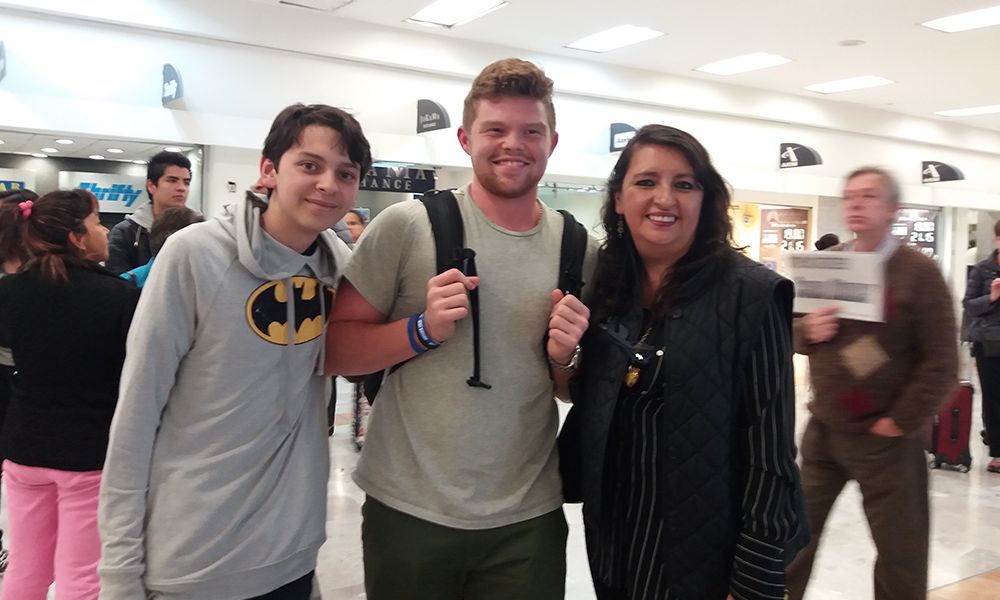
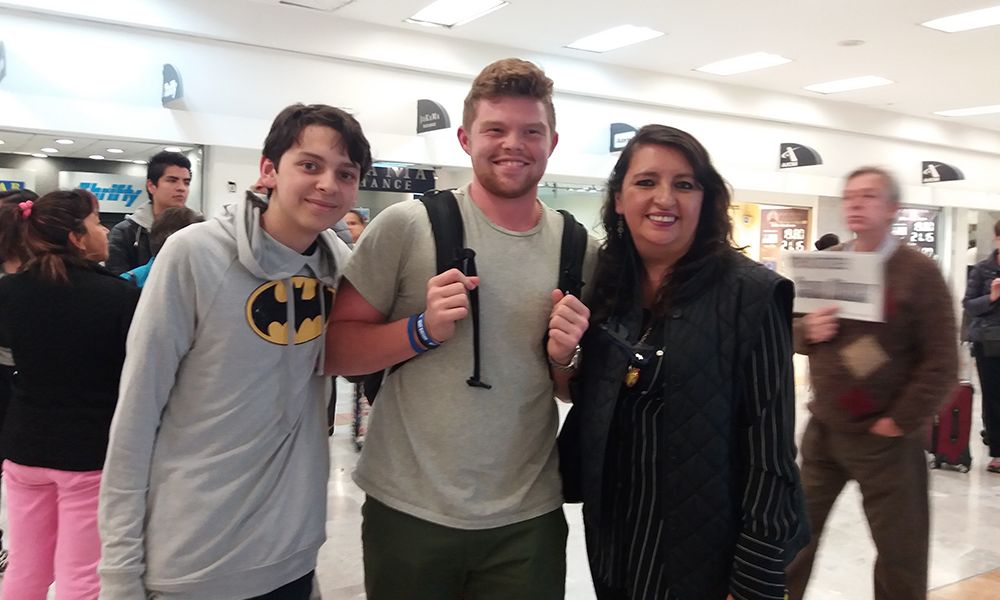
- Airport pick-up and transfer on arrival and departure
- Visa support and guidance
- Necessary documentation for the student to obtain a student visa
- Regular Progress Feedbacks
- Access to an in-country support team, and Nacel Student Support staff
🚫 What's Not Included?
- Round-trip international airfare
- Non compulsory insurances (luggage lost, flight delay etc.)
- Visa, passport and medical exam fees
- Extra activities organized by the school and others
- Extra language courses
- School material (notebooks, pens, pencils etc…)
- School lunches
- Personal expenses and spending money
- Medical, Liability and Emergency Repatriation Insurance


Exchange students must be interviewed in their home country before being accepted for a High School exchange in Mexico.
A minimum of two years of Spanish study and good academic results are required to study in Mexico.
Graduated students are also welcome but for a trimester.
Frequently Asked Questions
~~~~~~~~~~
Here are some tips for you:
1) Communicate! Please talk about everything and be open with your host family. For example, tell them about your school life, where you are going, and what time you will return. Make a point to discuss host family rules, and schedules (such as when you can take a bath) right away.
2) Ask Questions. When in doubt, ask your host family for help. You might not understand everything at first, but your host family wants to help. You might feel less independent in the beginning, but these feelings will go away eventually. Don’t hesitate, or feel it is impolite to ask many questions. This is normal.
3) Discuss Issues. Sometimes there will be small problems adjusting for you and your host family. It is important to talk about these frustrations even if they seem small. Always talk to your host family first about any problems. If you become sick, tell your host family right away.
4) Allow adjustment time. You may form an image of your host family within the first couple of days that isn’t accurate. Your host family might take you sightseeing, fix special foods, or be extra polite when you first arrive. Little by little, you and your host family will feel more comfortable around each other and act naturally.
5) Participate in Family Life. Don’t hide in your room. If you are feeling homesick, hiding in your room will only make it worse. Have fun with your host family, and share in evening or weekend activities.
6) Keep an Open Mind. Look at differences as new and fun experiences. This is your chance to try many new things that you might not be able to do in your home country. Take advantage of the opportunity!
7) Be polite and friendly. This is important. You might not talk very much with your family in your home country, but if you shut yourself off from your host family they will assume that you are homesick or unhappy. When you like something, be sure you tell them. A “thank you” and a smile can go a long way!
8) Help with Housework and Chores. Seriously, you would be surprised at how much an offer to do the dishes will mean to your host family.
Remember, your host family will also be nervous, especially if it is their first time hosting. They worry about whether you like the food or their family. If you are open and friendly, you will help to put them at ease. At the end of your stay, you will probably find that you do not want to leave!
Studying abroad in high school offers benefits that extend far beyond the classroom, shaping students academically, personally, and socially.
- Language development. Students develop and improve new language skills through full immersion in a foreign-language environment.
- Cultural immersion. Living abroad means immersing yourself in a new culture and an entirely different way of daily life.
- Independence. Navigating life in a new country builds self-reliance and confidence.
Broader perspective. Students gain a new outlook on their home country, their destination country, and the world at large, developing a deeper appreciation for diversity. - Lasting relationships. Living with a host family and attending a local high school creates opportunities to make friends and build international friendships that can last a lifetime.
Bottom line: A High School Abroad program delivers language gains, cultural immersion, personal growth, and lifelong international friendships, benefits that make the experience valuable well beyond the exchange year itself.
Yes. Making friends and building cultural understanding are core goals of every High School Abroad program, and extracurricular activities are one of the best ways to achieve both.
- School-based activities. Many host high schools offer clubs, sports teams, and other extracurricular programs where students can get involved alongside local classmates.
If your school doesn't offer your specific interest. Not every host school will have a club or program matching your particular hobby, but that's rarely a limitation in practice. - Community options. Your host town will typically have clubs, community facilities, and sports centers outside of school where you can keep developing your skills and interests.
- Building friendships. Whether through school clubs or community activities, these opportunities create natural, ongoing chances to build lasting friendships with local students.
Bottom line: Between school clubs and community resources in your host town, High School Abroad students have plenty of ways to stay active in their interests and form genuine, lasting friendships with local peers.
Packing thoughtfully for a High School Abroad program helps students settle in smoothly and stay prepared for both daily life and travel logistics.
- A gift for the host family. Not mandatory, but a small, modest gift that reflects your home country and culture is a thoughtful way to break the ice.
- Electronics and adapters. If your child is bringing electronic devices, check whether the destination country requires a plug adapter and pack one if so.
- Language tools. A small, two-way language dictionary is considered a must-have, along with a travel guide or map of the host city or area.
- Luggage. Students are responsible for handling their own luggage, so packing light is strongly recommended.
- Essentials to include. Passport and travel documents, school supplies, and a photo album from home are all worth packing. Checking the local weather in advance also helps your child pack appropriate clothing.
- What to keep in hand luggage. Any necessary medication for illness or ongoing treatment, acceptance letters, passport, visa documents, insurance certificate, host family contact details (or details of whoever is picking them up), the program's emergency phone number, electronics like a camera or music player, and any jewelry or glasses.
Bottom line: Smart packing for a High School Abroad program means traveling light, keeping critical documents and essentials in hand luggage, and bringing a few practical extras, like a dictionary and a small host-family gift, that make the transition abroad easier.
Students participating in a High School Abroad program are expected to follow a clear set of behavioral guidelines throughout their stay, designed to keep them safe and in good standing with their host family and school.
- Daily school attendance. Students must attend school every day for the duration of the program.
- Host family and school rules. Students are expected to follow the rules set by both their host family and their host school at all times.
- Prohibited activities. Students may not drive, smoke, drink alcohol, or use drugs at any point during their participation in the exchange program.
Bottom line: High School Abroad participants are held to consistent expectations, daily school attendance, respect for host family and school rules, and no driving, smoking, drinking, or drug use, for the full duration of their exchange.
The student will be helped by our local representative and his/her host family to visit a local doctor and get the necessary medical treatment. If hospitalization, surgery, or repatriation is needed, the insurance should be first informed.
If necessary, our team at the headquarters located in France, which delivers a 24-hour emergency service, 365 days a year, may assist you. The phone number of this service will be given to you before the student’s departure.
Please be sure to have a medical insurance. We can provide you with one, for an additional cost. Ask us for more information about the insurance policy!
Your child’s trip abroad will be a rewarding experience, but he/she has to be ready to change his/her way of life for some time and to adapt to the host family.
Here are some tips to check if your child is ready for this challenge:
- He/She is the one who wants to participate in the study abroad program. Never force your child to go abroad if he/she doesn’t want to! At best, he/she won’t enjoy his/her trip as much as if he/she had decided him/herself. At worst, he/she will be repelled by his/her language studies back home!
- He/She shows interest and curiosity about the language or the country he/she is going to visit.
- He/She is independent enough to be able to cope with problems that may occur (flight delays, loss of luggage, waiting time…), or with homesickness (has he/she already been far away from home? How did he/she cope with that?)
- He/She is mature enough. In some of our programs, supervision is high, and activities are planned all day long. But in others, students are less supervised and must be mature and responsible enough to behave according to the program’s rules and to find occupations.
If you are not sure if your child is ready or not, we can advise you! Meet the team of Nacel!
Homesickness may happen to everyone, even people who have already been abroad without having faced any problems before. To prevent homesickness, keep in touch with your child, but not too much/too often (see below), and follow our preparation tips. If it is your child’s first experience abroad, a short-term experience would probably be the best choice for you to make, so that your child can “test” himself/herself.
The purpose of most of our programs is the immersion in another country’s language and culture. During the first days, it is normal if your child feels a bit homesick, and too frequent communication with his/her natural parents could delay his/her integration into the host country.
You can suggest she/he get involved in local activities, clubs, and sports to help her/him make friends with similar interests.
In both programs, students are assigned to a host family and attend a local high school. The main difference is the duration of the program and whether the student returns with class certifications. The Nacel Homestay programs are usually shorter (up to 12 weeks) and do not provide class certifications. It is a pure cultural immersion program.
Nacel takes student safety very seriously. Every family presents criminal and police records, IDs, and recommendation letters. Most of our families are recommended by local schools or other host families. In addition, we visit each household to make sure that the conditions and area are adequate to receive international students.
Yes! You can read the reviews that parents and students have written about Nacel on Google, GoOverseas, and GoAbroad.
We can also introduce you to former students who can tell you about their experience and answer additional questions you might have.
For Nacel, the match with the host family is key. We use a matching system where we pair students and host families based on goals, interests, and hobbies. We understand that cultural differences can affect the relationship, so first we try to mediate and reach a consensus. However, when needed, students are placed with another host family.
No results found