

 Your teenager has been talking to you about South Korea for quite some time now. Maybe it all started with a TV show, a musician, or a friend who went there. Now, they’re talking to you about it serio... read
High School Summer Abroad in Chile
For a lot of students, the main thing getting in the way of studying abroad is timing. It can be difficult to fit a semester or academic year around school at home. We might have the solution for you! Chile has a different school calendar than many countries in the Northern Hemisphere.
While students in Europe, Canada, and the United States are starting their summer break, Chilean students are still in school. The academic year generally runs from around March until December. This allows you to spend several weeks in Chile during their summer break, attend a local high school, and live with a host family.
Why Chile's school calendar works well for a summer abroad
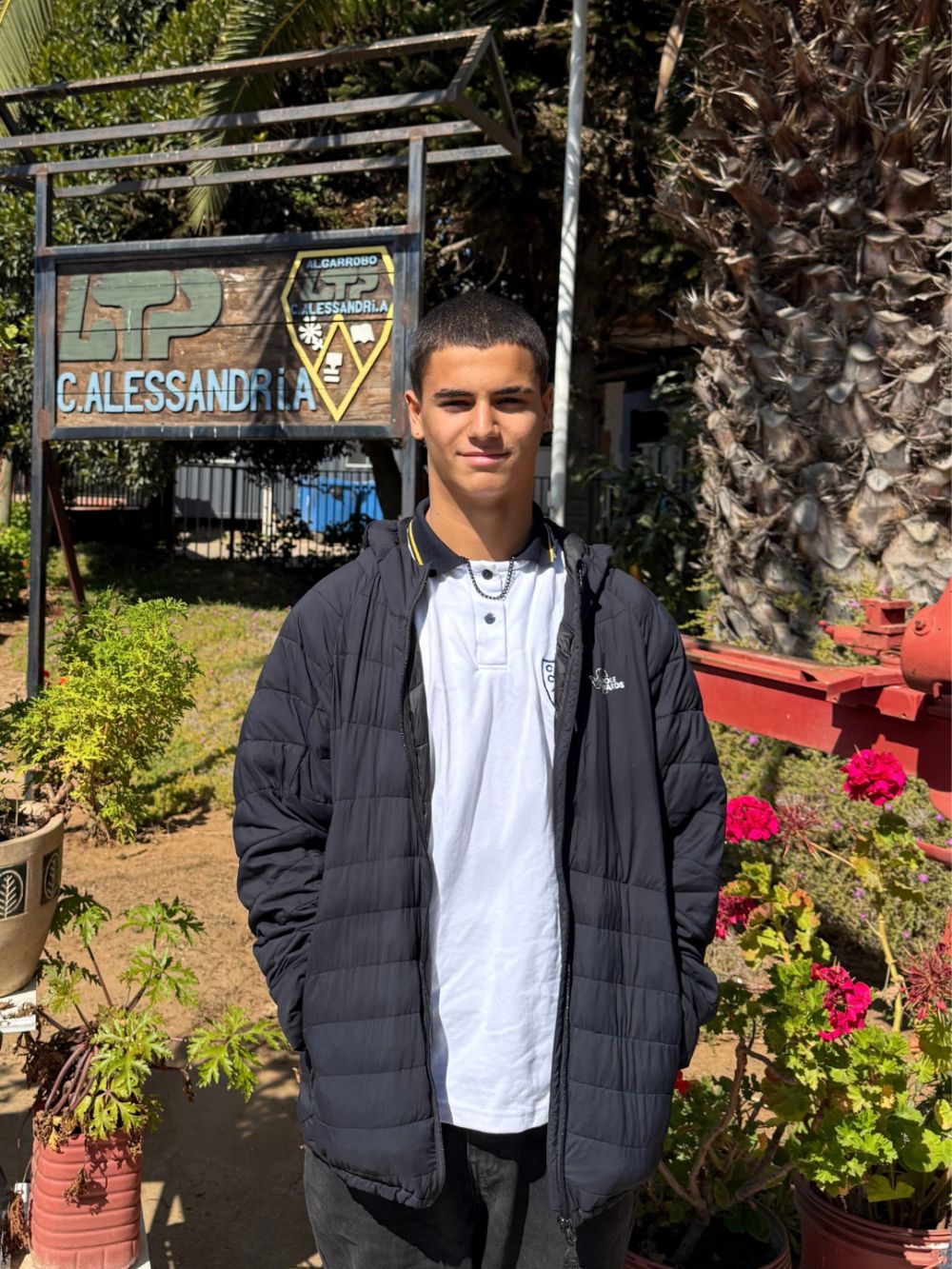
Chile is in the Southern Hemisphere, where the school year generally runs from March to December. This means that when many students in the Northern Hemisphere begin their summer vacation, Chilean students are still attending school.
For students from Europe, Canada, the United States and other Northern Hemisphere countries, this calendar difference can make a short school immersion easier to fit around school commitments at home. You can experience regular high school life in Chile during part of your summer break, provided your travel dates fall within the Chilean school term.
This makes Chile an especially interesting destination for students who want a real school experience abroad but cannot be away from home for a full semester. However, dates still need to be checked carefully because Chilean schools have their own holidays. The key is to choose a period when the host school is in session.
What does a short school stay in Chile look like?
Nacel's Homestay and School Integration Program in Chile is available for 3, 6 or 8 weeks.
Students aged 14 to 18 live with a Chilean host family and attend a local school during the stay, except during school holidays.
Your week follows a local routine. You go to school in the morning, attend classes with Chilean students and return home to your host family after school. This is not a summer camp or a language course designed only for international students. You are joining regular school and family life for a short period. A unique opportunity to totally immersive yourself in Spanish and return home more fluent.
What your school day looks like
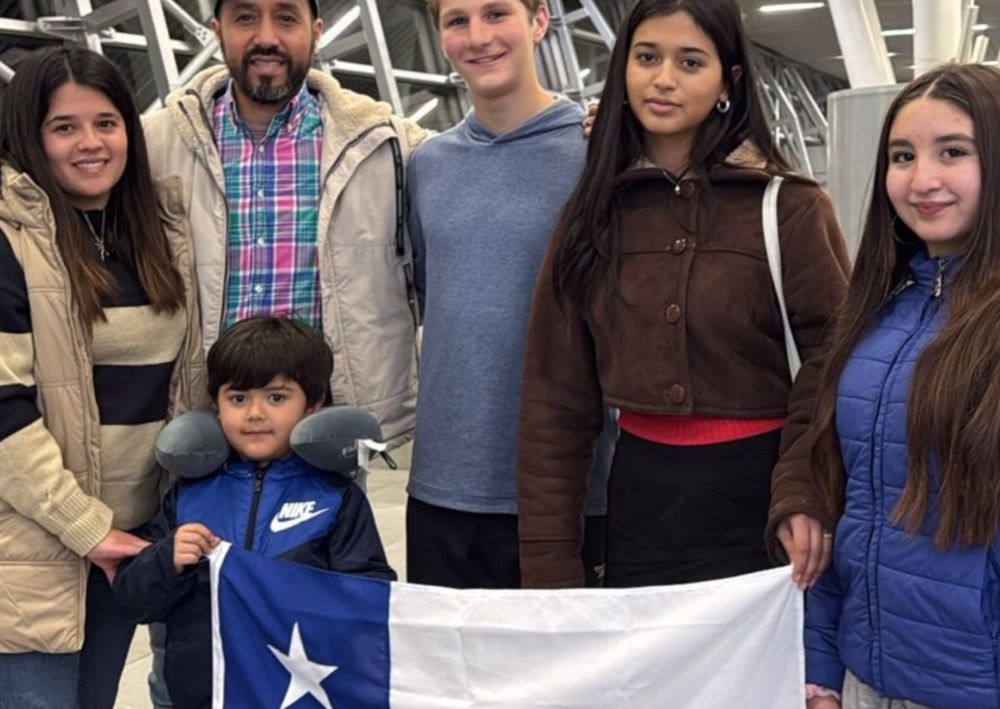
School generally begins around 8:00 or 8:30 in the morning, and the day can continue until late afternoon. A uniform is usually required, and all regular classes are taught in Spanish.
The first days are busy because you are learning several things at once. You are finding your classrooms, following lessons in Spanish and meeting classmates who already know the school well.
Henry, a Nacel participant from the United States, described the experience honestly:
“Although I don't really understand a lot in the classes so far, I've made many friends, and I definitely am very happy here.”
He also started Spanish lessons to support his progress.
A short immersion is not about understanding every lesson perfectly. It is about taking part in the school day and using Spanish in real situations.
Why this is different from a summer language course
A language course usually gives you a set number of lessons each day. In Chile, Spanish is around you from morning until evening.
You hear it in class. You use it to speak with classmates. You need it when you ask a question, buy something, explain your plans or talk with your host family at dinner.
Heather, who joined Nacel in Chile for a shorter stay, explained where she noticed the biggest difference:
“At school, it was great because everyone was curious about me and I got to make lots of friends. That is where my Spanish really improved.”
The advantage is not the number of formal language lessons. It is the amount of real communication with your host family and classmates built into your day. It is a much more immersive experience then a language camp.
Is a short exchange to Chile still valuable?
Yes, but it's a different experience than a semester or year abroad.
With three, six, or eight weeks, you have less time, so it helps to get involved from the beginning.
During a short stay, you can attend school, live with a host family, meet local students, and practice your Spanish daily.
Cindy described her experience as follows:
Although it was a short stay, I felt like I got to know Chilean culture and history very well. My host family took me to explore different parts of Santiago, see the biggest skyscraper in South America, visit local museums and government buildings. I was amazed to see how similar our cultures are, and how easy it is to adapt to living there.
A short program works best when you participate actively. Join your classmates for lunch, accept invitations, speak Spanish at home, and take part in family routines.
The more you engage, the more you will gain from your limited time.
Living with a Chilean host family
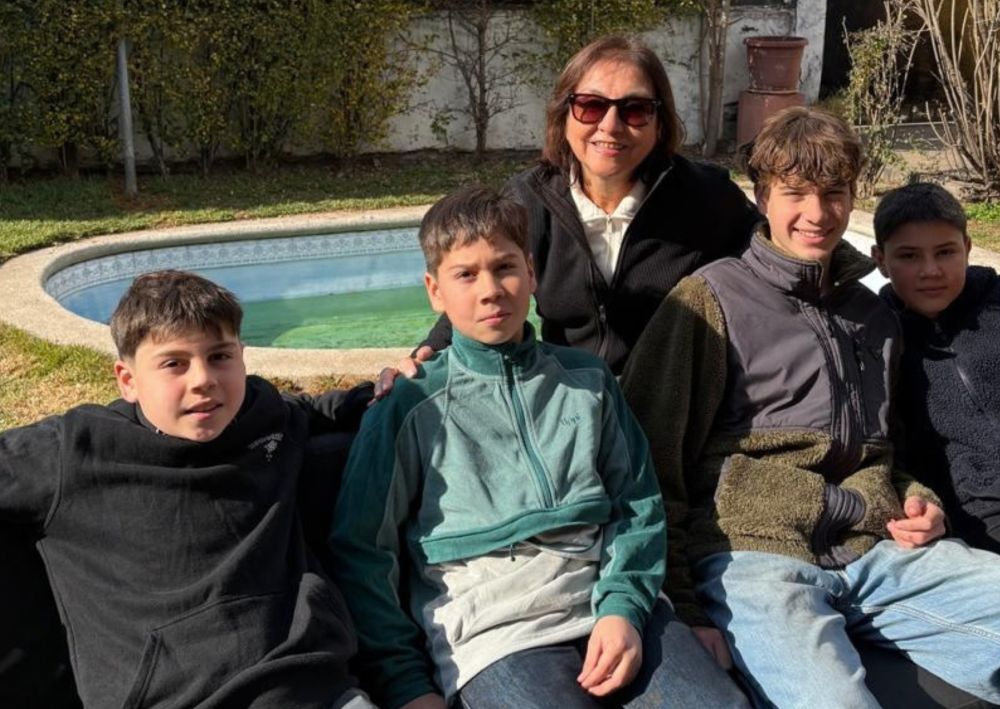
A host family is one of the most important aspects of a short stay in Chile. Students receive full board with a local family, but the benefits extend far beyond having a place to sleep. The homestay is an integral part of the cultural and language immersion experience.
After school, you continue experiencing Chilean life at home. You share meals, talk about your day, hear Spanish in everyday conversations, and become familiar with the family's routines. You also get to see details of daily life that you would rarely notice as a visitor, such as mealtimes, family habits, and how weekends are spent.
This matters even more for a short program because your host family gives you an immediate connection to local life. You won't only spend your evenings with other international students. You live in a household where Spanish is spoken naturally, and you can ask questions, talk about your day at school, and learn more about Chile from the people around you.
Weekends are also an important part of the experience. Depending on the family, you could spend time together at home, visit relatives, explore the local area, go shopping, or participate in activities that are part of the family's normal routine. These everyday moments help you understand the culture in a more personal way.
At the same time, living with another family requires flexibility from you. Their routines will not be exactly the same as yours. Meals may be served at different times, household rules may differ, and family members may communicate in ways you are not used to. Being open, respectful, and willing to adapt are important parts of making the homestay work well.
One parent described the outcome following his son's stay:
"Our son was warmly welcomed by his host family, and now he has a second family!"
— Rod, father of Jay
Making friends during a short stay
A short stay means less time to settle in, so it helps to be proactive.
One advantage you have is that you attend school with the same students every day. This provides repeated contact with your classmates and a natural opportunity to talk.
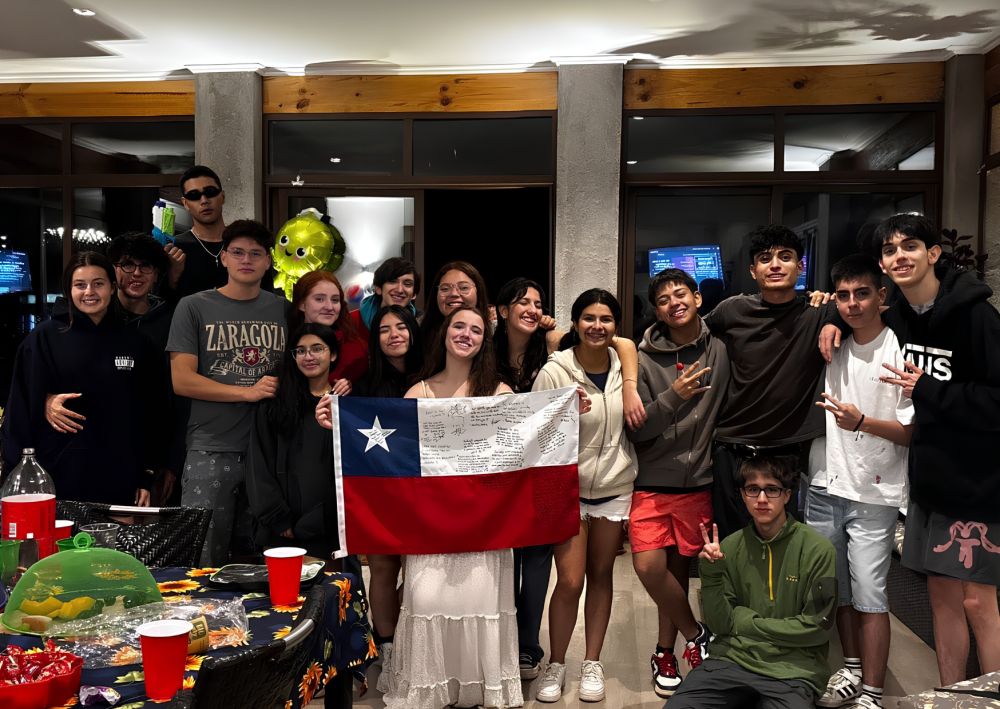
Students often make friends during lunch breaks, in class, through sports, or while participating in other activities. Several short-stay participants have shared with Nacel that their classmates showed them around town, invited them to spend time together, and celebrated birthdays with them.
These experiences are difficult to recreate on a normal vacation because you are not part of a local school community.
How much school do you miss at home?
This depends on your school's calendar For many students from the UK, Germany, Canada and othe countries in the Northern Hemisphere, the Chilean school year overlaps with their summer vacation. This can reduce the amount of school missed.
However, you should still compare exact dates before booking. Chilean schools also have holidays, and each school follows its own calendar.
The short-term program is designed for cultural and language immersion. It is not focused on earning academic credit. For students who need a longer academic experience, Nacel offers separate term, semester, and academic-year programs in Chile.
A practical way to try school abroad
Chile's school calendar gives Northern Hemisphere students an unusual posibility to experience High school in Spanish during their own summer holiday.
Instead of waiting for a semester break or missing several months of school at home, you can use part of your summer vacation to experience local school life in another country.
You attend regular classes, use Spanish throughout the day and live with a host family. The experience is short, but it is structured around real daily life rather than tourism.
For current program lengths, availability and requirements, explore
Nacel's Homestay and School Integration Program in Chile.

Jojanneke is the Nacel Educational Travel Team Manager and has been working with Nacel since February 2022.
She communicates with students from all over the world to understand exactly what they are looking for and to advise them on the programs that best suit their interest and their budget. She feels very fortunate to have had the opportunity to travel to many different countries and work in the Netherlands, Guatemala, Spain, Portugal, France, Bulgaria and Luxembourg. She studied at a Dutch university.
Jojanneke also participated in a Spanish language stay in Guatemala and has studied in France. This is why she knows perfectly the needs of future exchange students. But as a mother herself, she also understands the needs and concerns of parents who send their child abroad. She provides the empathy and understanding that parents and students need throughout the process of their project.