

 This guide is here to help students and parents understand the different types of summer programs in Paris for high school students, what each format offers, and how to find the best fit depending on ... read
Before you say yes to South Korea: A guide for parents
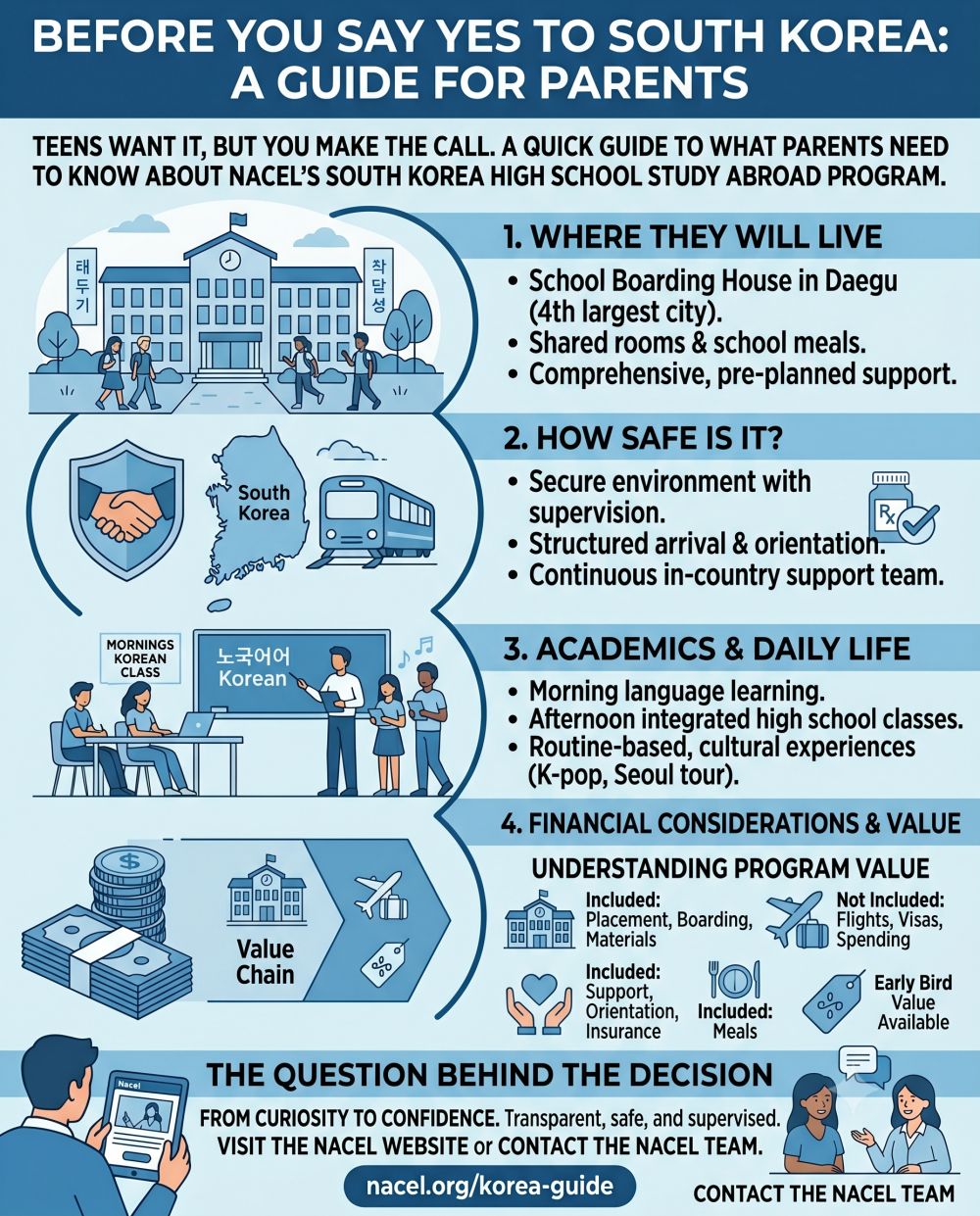
South Korea for your teen: What parents need to know
Your teenager has been talking to you about South Korea for quite some time now. Maybe it all started with a TV show, a musician, or a friend who went there. Now, they’re talking to you about it seriously.
And it’s up to you to make the decision.
A high school study abroad program in South Korea is not a decision to be taken lightly. It involves costs, distance, a different language, and a school system you may know very little about. This guide addresses the four questions most parents ask themselves before giving their approval: where will their child live, is South Korea a safe country, what about their studies, and what is the actual cost of the program?
Where your teen will stay
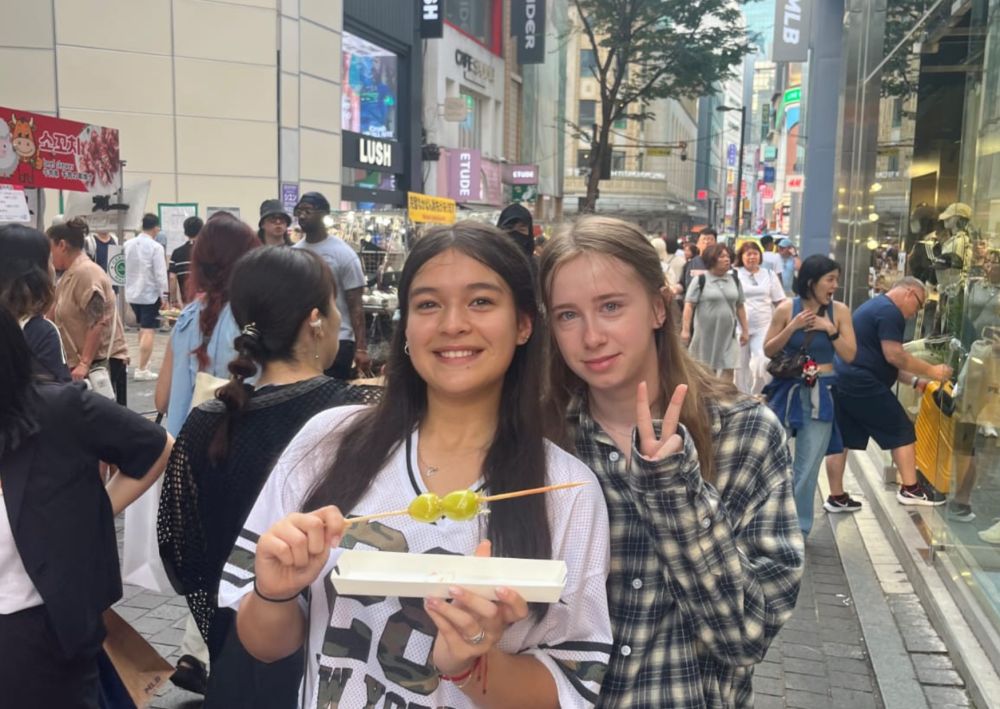
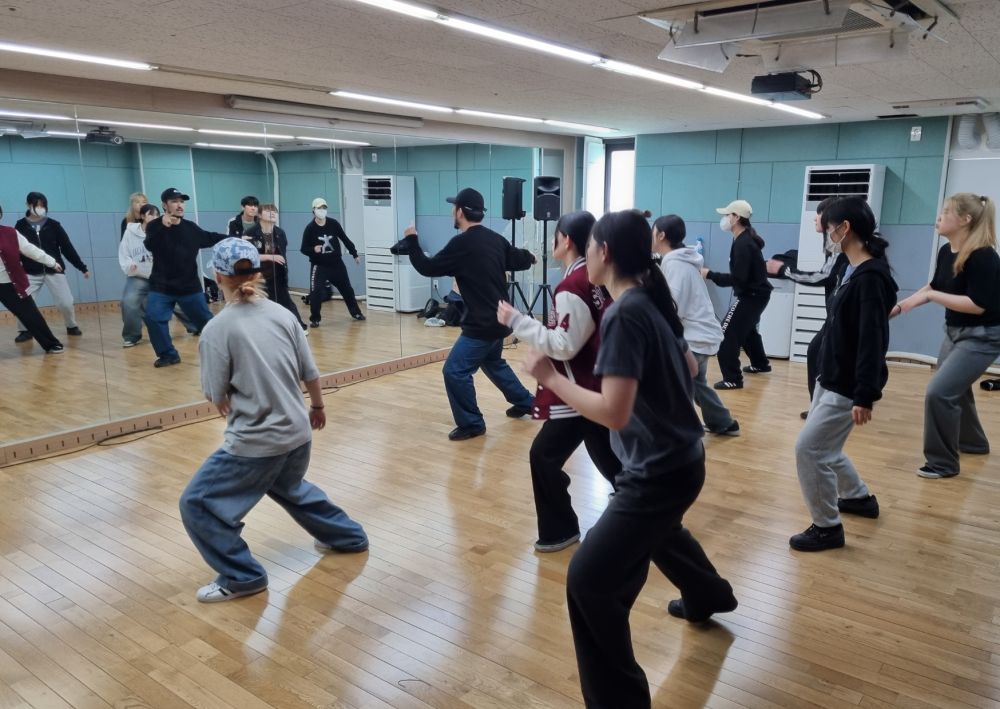
The Nacel Korea study abroad program takes place at a private high school located in Daegu, South Korea’s fourth-largest city. Your teen will not be staying with a Korean host family. Instead, they will be housed on campus in the school’s dormitory.
Rooms are shared by two to four students. Meals are served in the school cafeteria for approximately four to seven U.S. dollars per meal. The schedule for the stay is clear from day one: airport pickup upon arrival, an orientation session in Seoul, and access to an on-site support team throughout the stay.
This program is ideal for teenagers who want to gain independence while maintaining a structured daily routine. They don’t have to adapt to a foreign home in a language they’re still learning. Instead, they’re immersed in a school environment with a set schedule, surrounded by other students.
Iva, a German student who spent two months in Korea with Nacel, summed it up this way: “I didn’t have to worry about a thing, because I knew Nacel was handling all the arrangements for me.”
Is South Korea safe for a Teenager travelling alone?
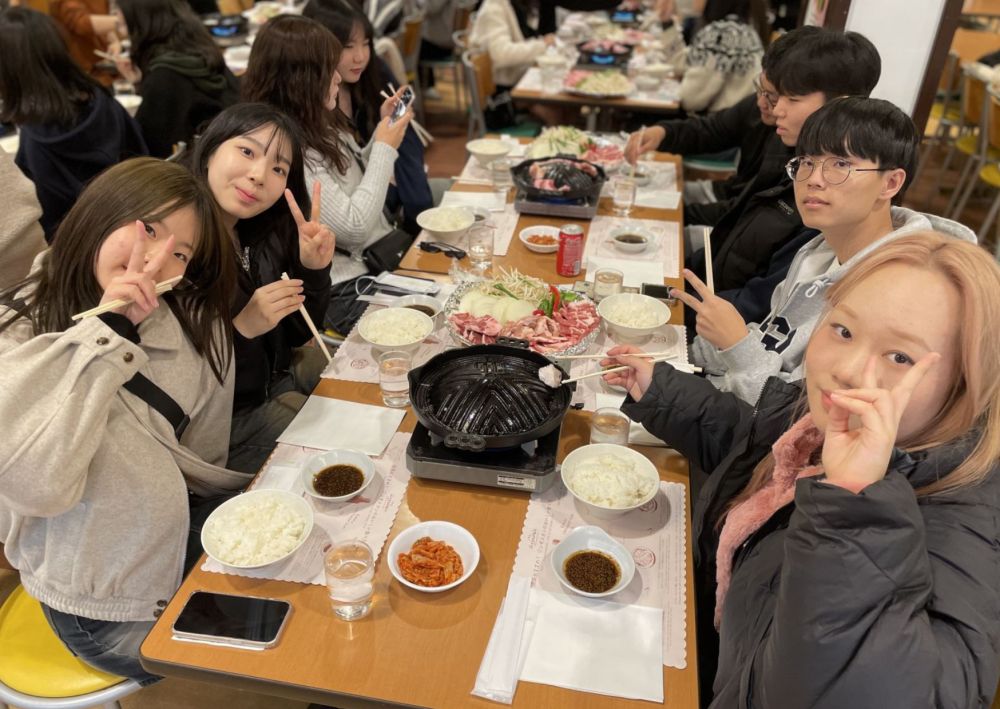
South Korea has a low crime rate, an efficient public transportation system, and a strong sense of civic order. For a teenager, daily life there is predictable and well-organized.
Safety is built into the very structure of the program.
The program includes:
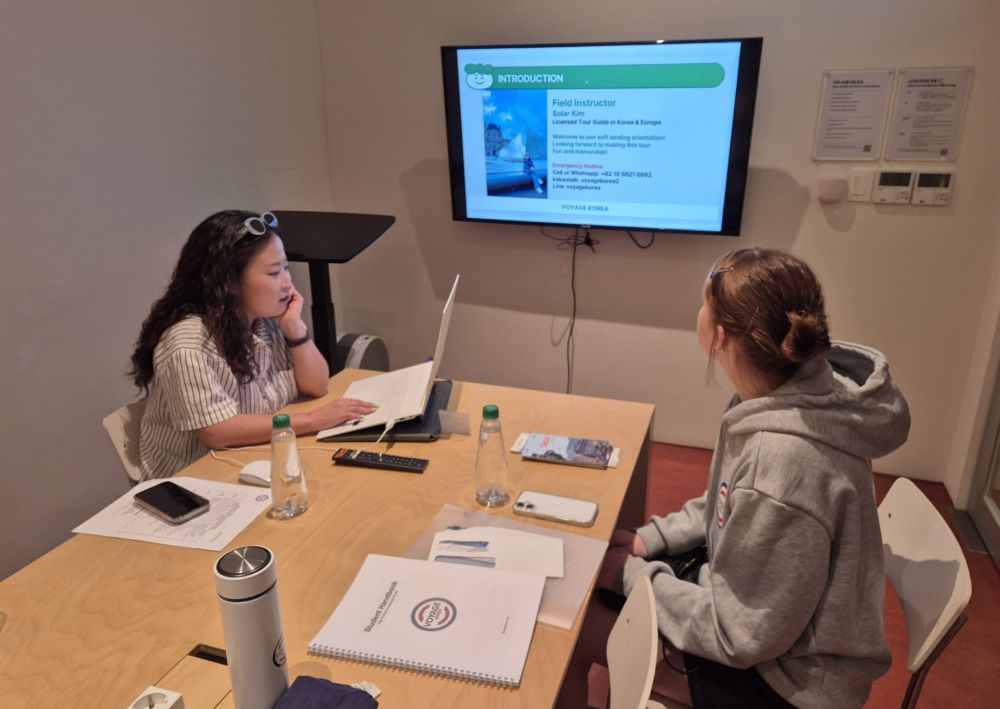
- Pickup and transfer from the airport on the requested travel dates
- An orientation camp in Seoul upon arrival
- Access to an on-site support team throughout the stay
- Assistance with obtaining a visa and pre-departure advice
- Basic medical insurance for programs lasting up to three months
Kinga, 17, who participated in a one-month program in Korea, said the experience went smoothly from start to finish: “The whole experience was very well organized, and I felt safe and supported throughout my stay. "
Practical note: South Korea has strict regulations regarding certain medications. If your teenager takes prescription medication regularly, check with your doctor and the Korean Embassy before departure to ensure that the medication is permitted in the country.
What will my teen do every day during the Exchange in Korea?
Mornings are for Korean language classes. This is a priority from day one, and it is included in the program fee. Students with no Korean background start at the right level. Students who arrive with basic knowledge progress faster.
Afternoons are spent in Korean high school classes alongside local students. The curriculum covers various subjects depending on the stream chosen. School hours run from around 8am to 3 or 4pm.
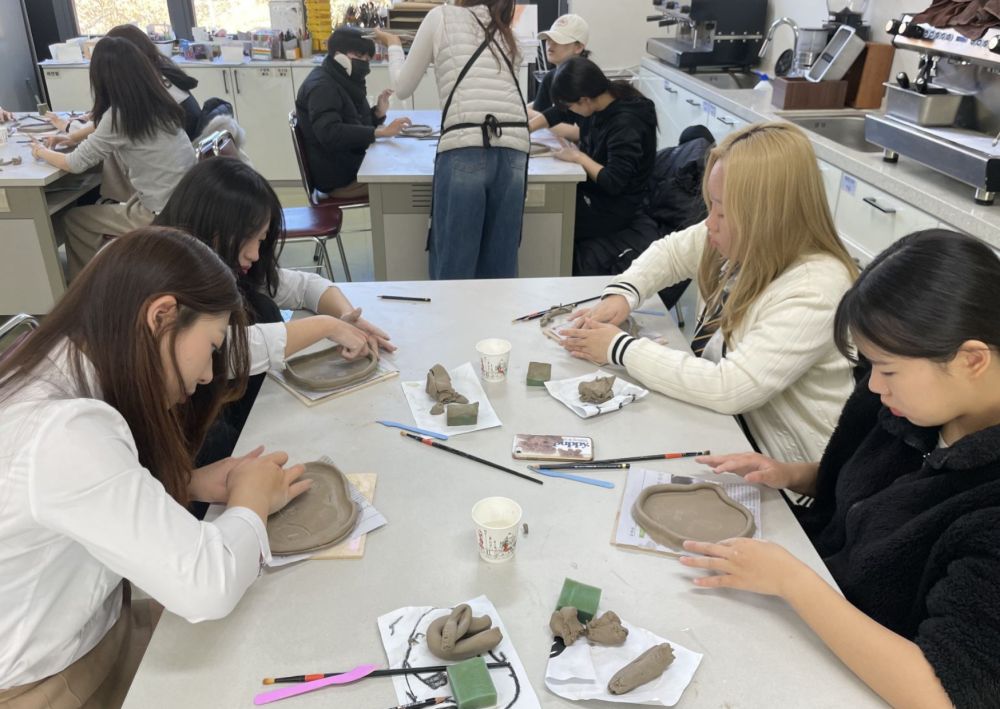
Beyond the classroom, the program includes K-pop activities, cultural experiences, and a two-night discovery tour in Seoul.
It is not a loosely organized cultural holiday. It is a school program with classes, a schedule, and genuine daily life alongside Korean students.
Will this affect your teen's studies back home?
The Korean educational institution can issue a certificate of attendance for all courses taken. For students holding a student visa (90 days or more), credits are recorded in the Korean government’s education system. For shorter stays on a tourist visa, the school’s documents are retained and can be used to verify the period the student spent in formal education. Most of our exchange students participate in a short-term program and do not receive grades from the Korean school. This high school study abroad program in Korea is designed as a cultural exchange experience rather than a traditional academic program.
In their home countries, most schools may view a well-documented exchange program as an asset in a student’s application. Many students also use this experience in their college applications to demonstrate initiative and independence.
Language progress is also measurable. Iva arrived with a basic understanding of Korean grammar but little confidence in speaking. After two months, the situation had changed: “I noticed that I was much more comfortable speaking. I was able to understand, and my speaking skills improved significantly because I was also able to make new friends and practice my Korean with them.”
What does the program cost?
The program is available in four duration's.
- 1 month 4,790 USD
- 2 months 6,290 USD 3
- 3 months 8,240 USD
- 5 months (student visa required) 11,640 USD
Start dates are available in March, April, May, June, September, October, and November. Students must be between 15 and 18 years old and enrolled in high school.
For a one-month stay, a realistic total budget including flights from Europe would be around seven to eight thousand euros, depending on the departure point and season.
Nacel also provides guidance on Early Bird discounts. It is worth asking about this early in the process.
Still Have Questions?
Many parents at this stage are not looking for a reason to say no. They just need enough information to feel sure.
The program is structured. Supervision is in place. The costs are transparent.
When you are ready, the Nacel team is here. Explore the full program at nacel.org/en/high-school-programs/korea-republic-of, or get in touch directly. We are happy to answer your questions. You can schedule a call with us to walk you through all the details.
 Becoming a foreign exchange student means living abroad with a host family, attending a local high school, and immersing yourself in a new language and culture, typically for a summer, a semester, or ...