

 What is 10th Grade in France? A Guide for future exchange students in FranceFuture exchange students to France often wonder how the French 10th grade — known as Seconde — compares to the American high... read
Use your Bildungsurlaub for an English Immersion abroad: A guide for adults and professionals
Many professional adults in Germany do not realise that they can use part of their paid working time to focus on their own development. Bildungsurlaub gives you that chance. It is a form of paid educational leave that allows you to step away from your daily routine, travel if you want to, and learn something that supports your professional life.
If you want to improve your English, a Bildungsurlaub language course can be a practical option. You can spend 5 or 10 working days immersed in English, learning with a private teacher and using the language in real situations. This guide explains how Bildungsurlaub works, what different federal states require, and how intensive immersion fits into this system.
What Bildungsurlaub is and how it works

Bildungsurlaub provides additional paid leave for approved educational activities. It exists in most German federal states, and it adds to your regular holiday.
Some basics help you understand the structure.
In many states, you receive 5 working days per year.
Often you can combine two years, giving you 10 days in one block.
Your entitlement depends on the state of your workplace, not your residence.
Language courses are accepted if you can show that better language skills support your job.
The idea behind the law is simple. Employees should be able to develop professionally. A language course is easy to justify, especially in fields where international communication is essential.
Why language courses fit the Bildungsurlaub framework
Language training is one of the most common uses of Bildungsurlaub. Official portals show high demand for professional language development, especially English. Adults choose these courses because they enhance their ability to communicate effectively in meetings, emails, and everyday work situations.
Intensive courses help you make visible progress in a short time. You can also combine learning with cultural exposure when you join a programme abroad. Immersion helps you speak more naturally because you practise both inside and outside the lessons.
What States usually expect from a Bildungsurlaub language course

Each German federal state has its own rules, but many follow a similar pattern. If you want to use Bildungsurlaub for an English immersion, certain expectations apply.
Lesson volume: Many states expect around 30 teaching units per week, usually measured in 45-minute units.
Daily structure: Most states expect a consistent daily schedule with a minimum number of teaching units per day.
Professional relevance: You need to show how the course supports your work. This can be Business English, communication skills, or English used in meetings, emails, or customer interactions.
Qualified instruction: The teaching must be led by a qualified instructor. Self-study does not count.
Clear documentation: You will need:
- a timetable,
- a program description,
- teacher qualifications,
- and a certificate confirming your attendance and hours.
With a private teacher immersion, many of these conditions are reached naturally. The program is intensive, structured and easy to adapt to your professional needs.
Do German states recognise Immersion and Home Tuition Programs?
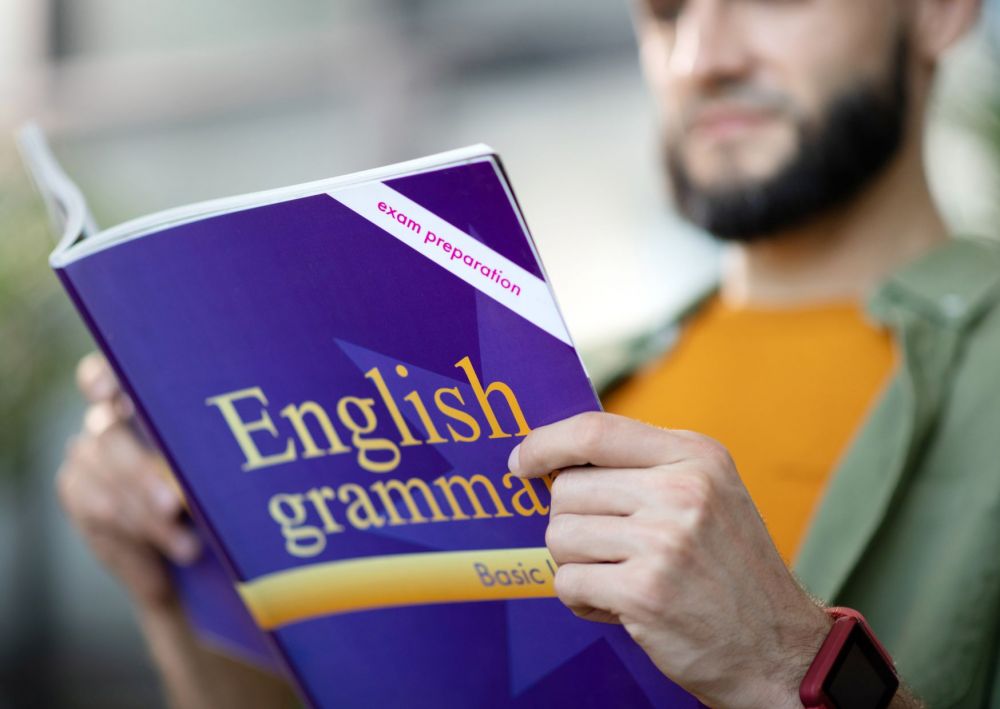
Several German states already approve immersion programs, including home tuition formats, as valid Bildungsurlaub options. This helps show how authorities view intensive language learning abroad.
This is a general overview of the types of recognition currently issued across states. Providers are not named, because the aim is to show which formats are accepted.
Berlin recognizes multiple 5 and 10 day immersion programs in English, French and Italian. The pattern is consistent. Intensive lessons, structured timetables and cultural context.
Hamburg recognizes 5 day intensive language courses at intermediate levels. The focus is on improving communication skills in a short period.
Hessen approves immersion courses combining language instruction with cultural and comparative studies in 5 and 10 day formats, both in person and hybrid.
Niedersachsen has broad recognition. English, French, Italian, Spanish and other languages appear in 5 and 10 day immersion models. Many include a combination of home tuition and cultural elements.
Rheinland-Pfalz recognizes immersion formats across multiple languages. A typical structure includes 30 teaching units per week in either 5 or 10 day programs.
These examples show that German state authorities regularly approve intensive immersion programs, including home tuition, when they match official expectations.
What an English private teacher homestay looks like?
A private teacher homestay is a simple and effective method. You live in your teacher’s home, speak English throughout the day, and learn through structured lessons and natural conversation.
In the Morning you work through grammar, vocabulary and communication skills that support your professional life.
At Lunch you share meals with your teacher and practise everyday language.
In the Afternoon you continue with structured lessons or lessons outdoor during activities or cultural visits
In the Evening you share a meal with your private teacher and family. You can also explore the local area or relax while still using English in natural situations.
The format is flexible, which helps you adjust the intensity and professional focus. This flexibility also helps align your program with your federal state’s requirements.
How to plan your Bildungsurlaub with a Private Teacher program
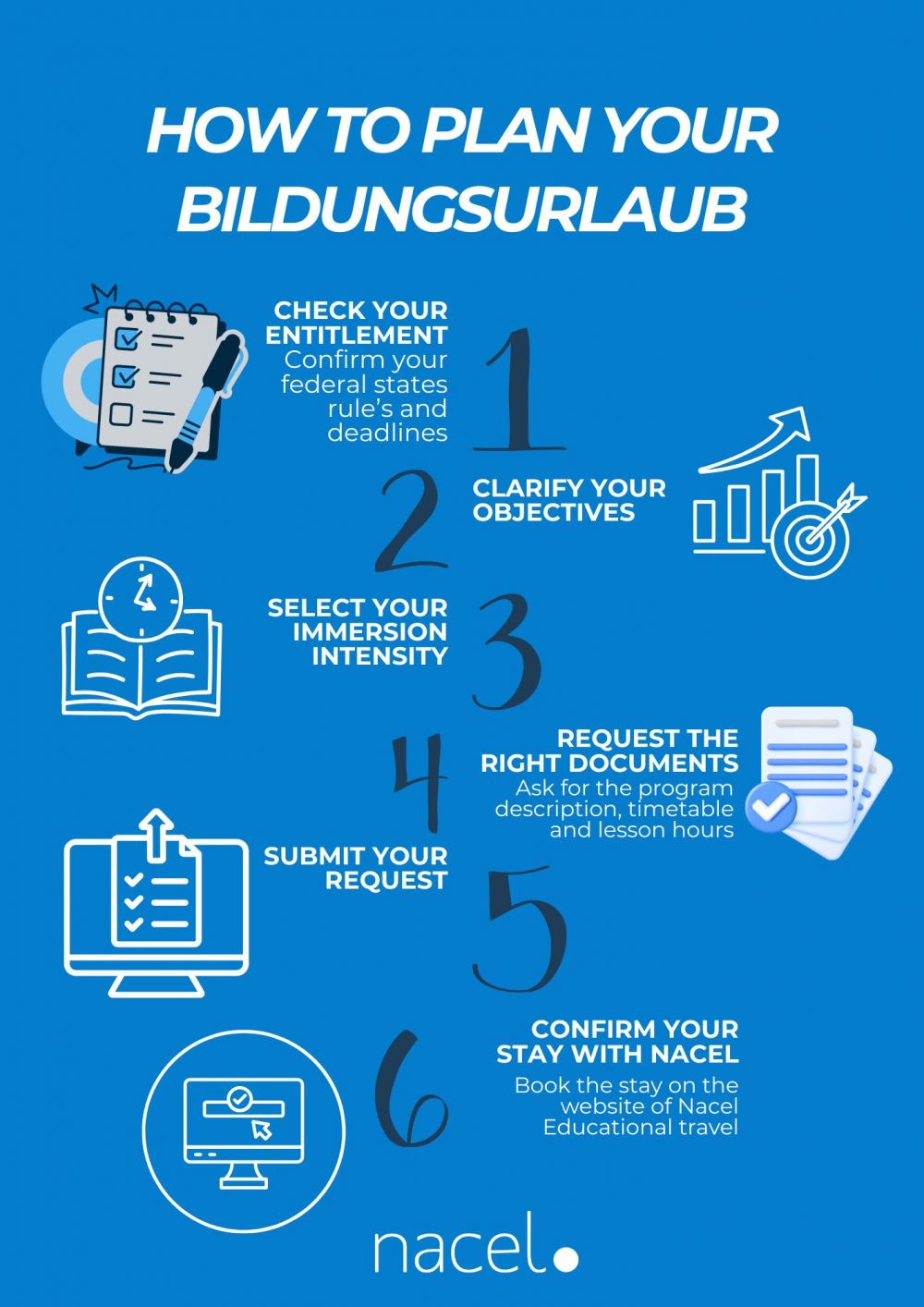
If you want to use your Bildungsurlaub for an immersion experience, a few steps help you move smoothly through the process.
1. Check your entitlement: Confirm the rules of the federal state where your workplace is located. Each state has its own deadlines and requirements.
2. Clarify your objectives: Think about the situations at work where better English would help you. Meetings, emails, presentations and customer contact are common examples.
3. Select your immersion intensity: For a Bildungsurlaub, choose an intensive format, often around 30 lessons per week or the closest structure accepted in your state.
4. Request the right documents: Ask for a program description, timetable, teacher qualifications and confirmation of lesson hours. These help you apply for recognition and support your employer’s approval.
5. Submit your request to your employer: Explain how the program supports your job and attach all required documents. Follow your state’s submission deadlines.
6. Confirm your stay: After approval, you can confirm your immersion program and plan your travel. You will receive a certificate at the end with your hours and dates.
7. Decide if you want to extend your stay: You do not have to limit your immersion to the recognized days. Many adults stay longer and count the additional days as normal holiday or unpaid leave. This gives you more time to practice English and enjoy your surroundings.
Turn paid leave into real language progress
Bildungsurlaub gives you time to develop skills that matter. If you use it for an intensive English immersion, you learn in a focused and practical way. You also gain confidence through everyday practice, which is something classroom courses often lack.
Immersion courses are already recognised in several German states. This shows that the format fits the educational logic of Bildungsurlaub. If you want stronger communication skills for your career, this path is clear and accessible.
If you want to explore your options, you can reach out to a Nacel advisor. They can help you prepare the documents you need and guide you through the process for your state.
Jojanneke is the Nacel Educational Travel Team Manager and has been working with Nacel since February 2022.
She communicates with students from all over the world to understand exactly what they are looking for and to advise them on the programs that best suit their interest and their budget. She feels very fortunate to have had the opportunity to travel to many different countries and work in the Netherlands, Guatemala, Spain, Portugal, France, Bulgaria and Luxembourg. She studied at a Dutch university.
Jojanneke also participated in a Spanish language stay in Guatemala and has studied in France. This is why she knows perfectly the needs of future exchange students. But as a mother herself, she also understands the needs and concerns of parents who send their child abroad. She provides the empathy and understanding that parents and students need throughout the process of their project.
 A high school exchange in Ireland is more than attending classes in another country. It is discovering a new rhythm of life, new habits, and a new way of thinking. It is walking to school in light rai...