

 This guide explains how German employees can use their Bildungsurlaub to complete an intensive English immersion abroad. It outlines how Bildungsurlaub works, which federal states approve immersion an... read
High school exchange in Ireland: a complete student guide to daily life and practical tips for exchange students
- Why choose Ireland for your high school exchange program abroad?
- Living with an Irish host family
- Staying connected while studying in Ireland
- Budgeting and pocket money for you exchange program in Ireland
- Public transport in Ireland
- Weather in Ireland (we can't lie about it!)
- Packing for your exchange program in Ireland
- Irish food
- Extracurricular life during your study abroad program in Ireland
- Language and communication style
Studying abroad in Ireland is an experience that influences your daily habits, your way of thinking, your personal independence, and even the way you see the world. When you decide to live in Ireland as an exchange student, you are not only preparing to learn in a classroom of an Irish school. You are preparing to live another lifestyle, eat new food, learn new expressions, join new traditions, and meet people with a different life and a different sense of humour as well!
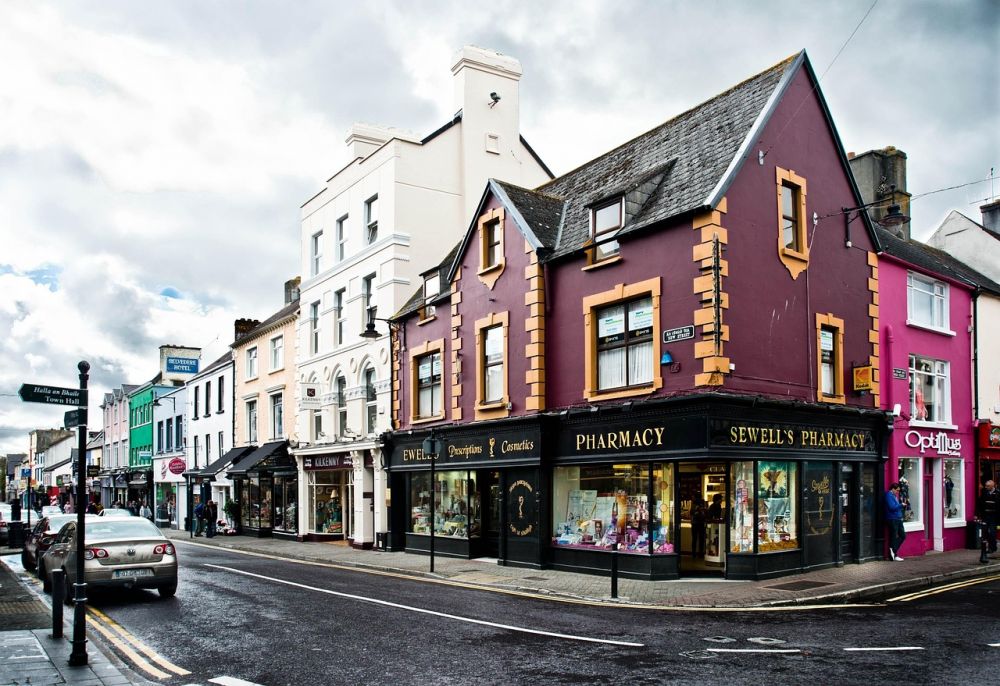
Ireland is known for green fields, sheep, traditional music, and cozy pubs. Of course, these things exist, and they help create the identity of the Emerald Isle. But Ireland is also a modern, safe, welcoming, and open society. It is a place where respect, community, and friendliness are important values. People like to talk, laugh and help each other.
Why choose Ireland for your high school exchange program abroad?
Many students choose Ireland because it offers a mix of tradition and modern life. You will find charming small towns as well as larger cities like Dublin, Cork, and Galway. The history of the country is visible everywhere in castles, ruins, monuments and museums. At the same time, the music scene, sports culture, technology industry, and student life feel young and dynamic.
Some cultural characteristics make Ireland a great place for international students:
- Humour is part of everyday conversation and is often used to relax a situation or connect with people
- Friendliness is natural as many people will greet you, chat with you or help if you look lost
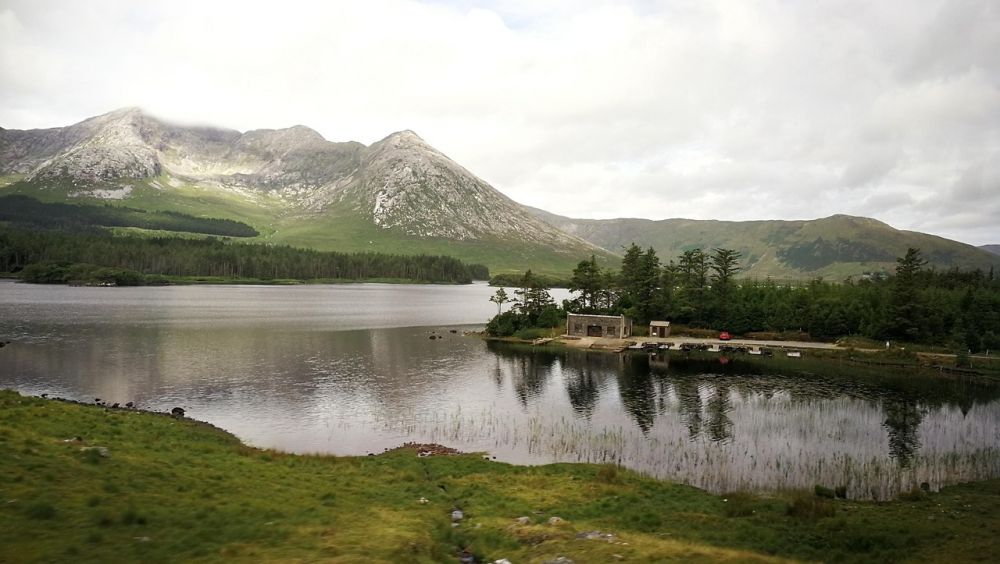
- Nature is close no matter where you live
- Community spirit is very strong, particularly in schools, families and sports clubs
- The rhythm of life feels relaxed and human, but punctuality is still important for buses and classes!
Students who choose Ireland often describe the country as comfortable, safe and easy to adapt to. The society feels familiar, but still different enough to make the experience exciting.
Living with an Irish host family
For most exchange students, the host family becomes the heart of the experience. Living with a local family gives you a real daily life experience. You will see Irish culture in a natural and authentic way, not as a tourist but as a member of the household.
Life with a host family usually includes shared meals, communication about plans and participation in family routines. Families in Ireland tend to be warm and relaxed but also appreciate courtesy and responsibility.
In Irish homes, dinner is often the main family moment of the day. It is common to talk about school, sports, news or simply how the day went. The meal is usually simple and comforting. You may eat roast chicken, potatoes, vegetables, soup, pasta or casseroles. Sometimes meals include traditional local dishes. Do not be afraid to try everything once. Even if the food looks new, it may surprise you in a good way.
Communication is important. Irish parents usually give freedom, but they expect respect. This means telling them where you are going, asking before making plans, and messaging if you are delayed. In return, they trust you, support you, and include you in activities.
Privacy also exists. You will have your own room or personal space. You do not need to spend every evening with the family, but small efforts help, such as joining for a movie night, helping set the table or asking how their day was. Small gestures show appreciation and make the relationship warmer.
Staying connected while studying in Ireland
Having internet and phone access is essential for school communication, maps, messaging, safety, and transport.
Most students buy a prepaid SIM card from Three, Vodafone or Eir. A prepaid system is practical because you can top up as needed, and there is no long commitment. The average cost is between 10 and 30 euros per month, depending on the data package.
Before travelling, check that your phone is unlocked. Registering your Irish SIM may require your passport and your host family address. Topping up credit is simple in supermarkets, corner shops, online apps or vending machines.
Budgeting and pocket money for you exchange program in Ireland
Living abroad teaches independence and financial responsibility. Ireland is not the cheapest country in Europe, but with planning, it is absolutely manageable. Most students find that 40 to 60 euros per week is enough for small expenses.
You will spend money on snacks, coffee, transport, school events, personal care products and occasional entertainment like cinema or takeaway food. Cooking at home and bringing lunch from your host family helps save money.
Carrying a reusable water bottle is an excellent idea. Tap water in Ireland is safe, and using a bottle is common among students.
Public transport in Ireland
One pleasant surprise for many students is how easy it is to move around Ireland without a car. Even if you live in a smaller town, there is usually a reliable bus connection. In larger cities such as Dublin or Cork, public transport is modern and efficient.
Transport options include local buses, Bus Éireann regional buses, Irish Rail trains, the Luas tram in Dublin, and private coaches offering long-distance trips. Many students purchase a Leap Card, which gives discounts and makes travel simple with tap in and tap out access.
Travelling between cities is easy. A journey from Dublin to Galway or Cork takes only a few hours. Students often use weekends to explore different parts of the country. This kind of mobility helps exchange students discover Ireland beyond the classroom and the host town.
Public transport etiquette is polite and calm. People queue, avoid loud conversations, and thank the driver. These small gestures reflect the values of Irish society.
Weather in Ireland (we can't lie about it!)
The Irish climate is mild but unpredictable. It rarely becomes extremely hot or extremely cold. However, rain is part of daily life. You may see sun, wind and rain in one hour.
Instead of a heavy coat, layers work better. A waterproof jacket with a hood is essential because umbrellas sometimes struggle with the wind. Shoes that dry easily and warm accessories in winter will make your daily life more comfortable.
Over time, many students say they become used to the weather and even find it charming. Rainy days make Irish landscapes green! Cozy evenings indoors also feel special.
Packing for your exchange program in Ireland
Packing well reduces stress. Many items are available in Ireland, so you do not need to bring everything.
Useful items include clothes suitable for school and weekends, a type G plug adapter, a battery power bank, toiletries for the first week and a small gift for your host family to show appreciation.
Students who wear uniforms will not need a large wardrobe. However, comfortable shoes and weather-friendly clothing are important.
School uniforms in Ireland
Most Irish secondary schools use uniforms. This creates a sense of equality and belonging. It also makes planning outfits simple.
The school usually requires specific items such as a jumper, blazer or tie. You will need to bring supporting clothes such as shirts, trousers or a skirt in neutral colours and black school shoes that are comfortable from the first day.
Some schools require a sports kit for physical education. It is best to check the requirements before travelling so you can pack efficiently.
At the beginning, a uniform may feel unusual, but most students adapt quickly and even enjoy the routine!
Irish food
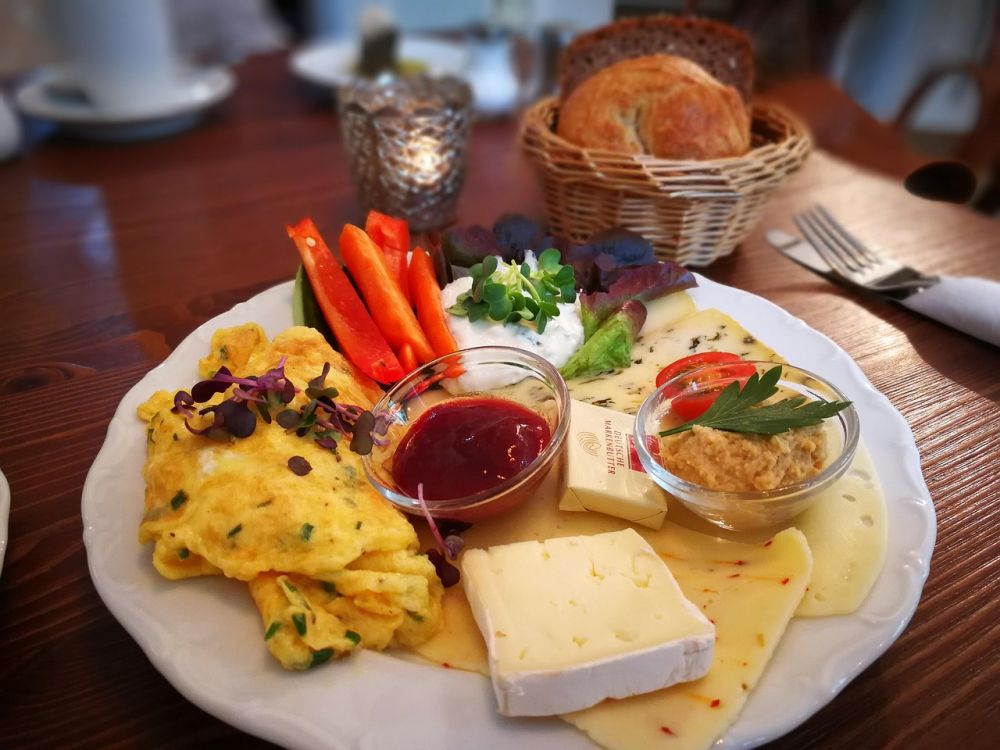
Irish cuisine is simple, homemade and filling. The weather influences food choices, so many dishes are warm and comforting.
Typical meals include :
- Irish stew with potatoes and vegetables,
- soda bread served with butter or jam,
- boxty potato pancake,
- shepherds pie
- and fish and chips.
Breakfast may be light during the week but weekends sometimes include a traditional full Irish breakfast with eggs, sausages, pudding and toast.
Desserts and baked treats are popular. Many cafés serve scones, brownies, traybakes, sponge cake or apple tart. Tea and hot chocolate are common drinks. Coffee culture is also growing among young people.
Being open-minded with food is important. You may discover new favourites and host families love when students are curious and enthusiastic.
Extracurricular life during your study abroad program in Ireland
Joining clubs and activities is one of the best ways to connect with other students. Irish schools have strong sports traditions including Gaelic football, hurling, rugby, soccer, hockey, volleyball, basketball, and tennis.
If you are not interested in sports, there are many other possibilities. Music is an important part of Irish identity. Choirs, bands and traditional music groups often exist in schools. Drama and arts clubs are also common.
Outside school, Ireland is full of places to explore. Coastal walks, ancient castles, modern museums, street markets, and natural parks are favourite activities for students. The country is small enough that weekend adventures feel easy.
Friendships form naturally when you share experiences. You may not speak much at the beginning but after a few practices, trips or group activities, connections develop.
Language and communication style
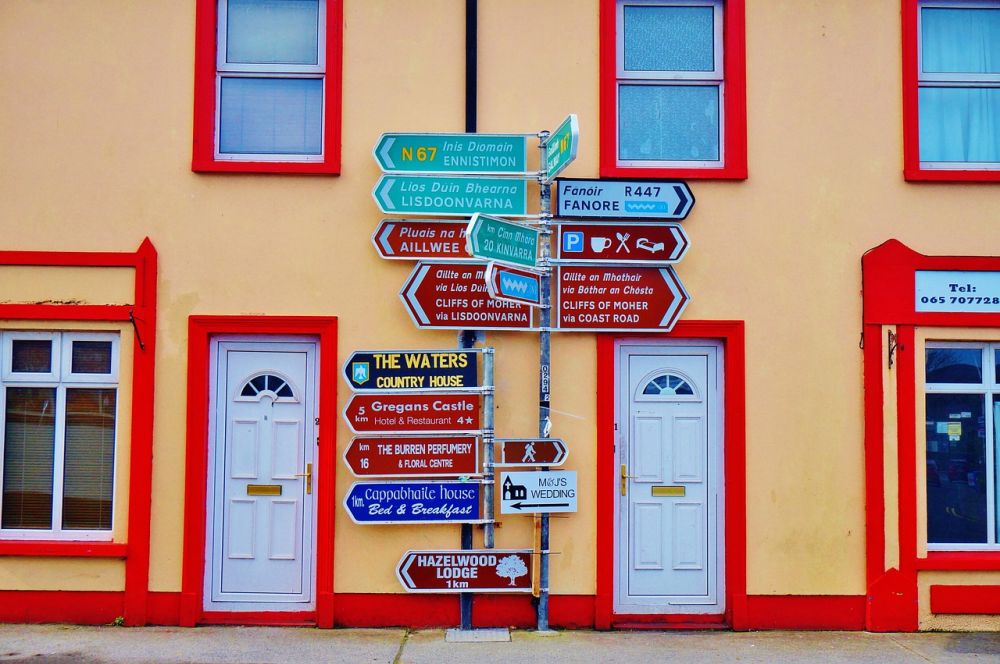
English is the main language used in Ireland but Irish Gaeilge appears on signs and sometimes in classes. You may hear bilingual greetings like fáilte which means welcome.
Irish communication is friendly and relaxed. People often use humour to break the ice. The tone may sound indirect sometimes, especially when expressing disagreement or criticism. This is cultural politeness and not distance.
You may hear expressions such as "it is grand" meaning everything is fine or no worries. Another common word is "craic" which means fun or good time. Irish students may be shy at first but once a relationship forms, they are loyal and supportive.
Small efforts like smiling, asking questions or sitting with classmates at lunch help you build connections.
When the year ends, you will return home changed in a positive way. You will bring memories, skills, friendships and stories that stay with you forever.

Céline Gibassier is an Educational Advisor at Nacel International. She shares her passion for cultural exchange and language travel with students who want to study abroad and live new experiences.
She studied at Sciences Po Strasbourg and spent time abroad, giving her both strong academic knowledge and practical experience in student mobility, program development, and host family coordination.
Based in France, Céline has built a wide international network in the language travel and education fields. In her role, she helps students and host families work well together, ensures quality service, and supports meaningful and life-changing travel experiences.
 This article helps you as a parent choose the right Nacel program for your child by comparing five main options: High School Abroad, Homestay + High School Integration, Summer Camps Abroad, Sports Sum...